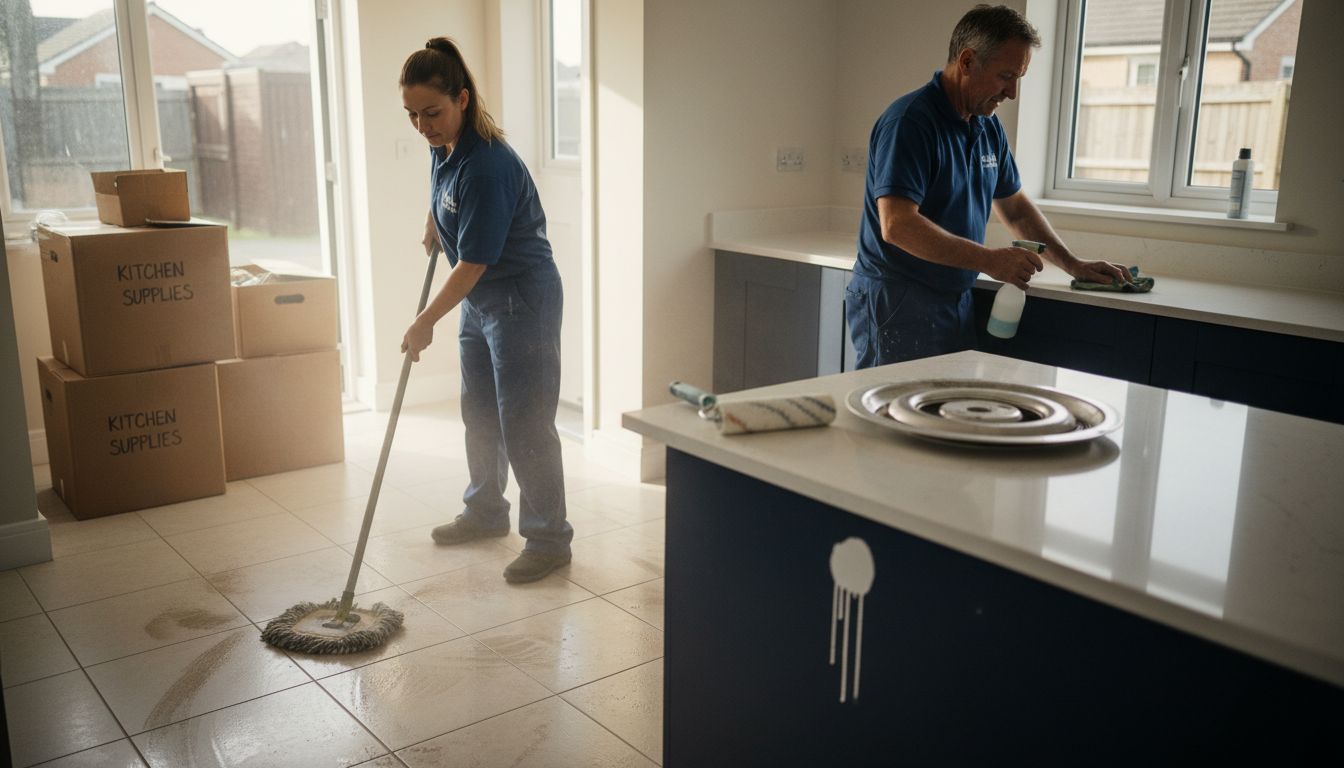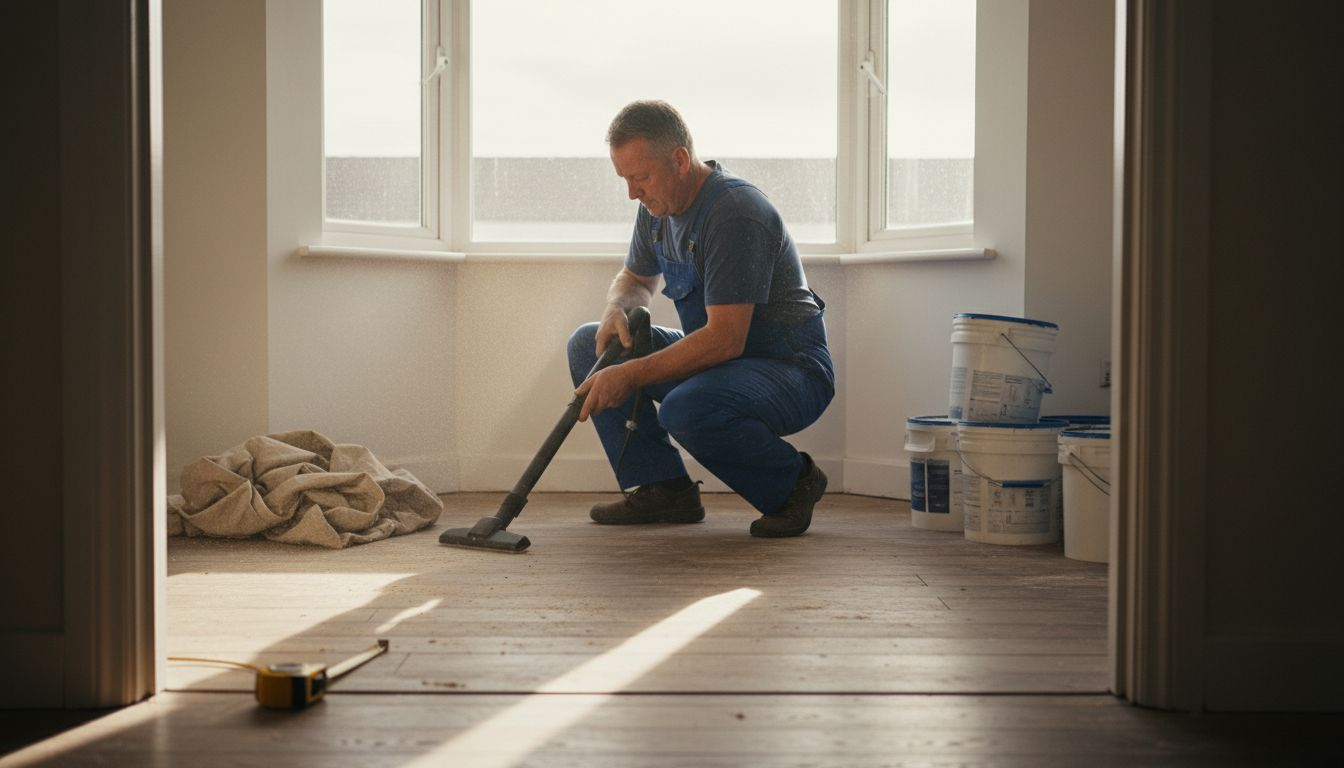
Construction dust and hidden chemical residues can linger long after the last hammer drops, making post-renovation deep cleaning a necessity for every british property owner. With studies showing that up to 80 percent of indoor air quality issues stem from poor cleaning after building work, attention to detail goes far beyond simple tidying. This guide explains the true health, safety, and financial reasons why professional deep cleaning ensures your newly renovated spaces are actually ready for comfortable living.
Table of Contents
- Deep Cleaning After Renovation: Core Purpose
- Types Of Renovation Residue And Hazards
- Key Steps In Professional Deep Cleaning
- Health, Safety, And Regulatory Implications
- Cost Considerations And Post-Renovation ROI
Key Takeaways
| Point | Details |
|---|---|
| Comprehensive Deep Cleaning is Essential | Post-renovation cleaning is crucial for eliminating health risks such as dust, VOCs, and pathogens, ensuring that the space is safe for occupation. |
| Understanding Waste Types is Key | Different renovation residues, including particulate matter and chemical residues, require specific cleaning methods to ensure effective remediation. |
| Systematic Cleaning Approach | Employ a multi-stage cleaning process, from initial debris removal to final sanitisation, to maximise cleaning effectiveness and safety. |
| Consider Long-Term Financial Impact | Investing in professional cleaning enhances property value and reduces potential future health-related costs from contamination. |
Deep Cleaning After Renovation: Core Purpose
Post-renovation deep cleaning is far more than a simple aesthetic ritual. It represents a critical health and safety intervention that transforms construction sites into habitable spaces. The primary purpose extends beyond surface-level cleanliness, addressing hidden health risks and protecting significant property investments.
Construction processes inevitably introduce microscopic hazards that can compromise indoor environments. Comprehensive sanitisation practices are essential for eliminating harmful bacteria, construction dust, volatile organic compounds (VOCs), and potential pathogens that accumulate during renovation work. These microscopic threats can trigger respiratory issues, allergic reactions, and long-term health complications if not properly addressed.
The core objectives of post-renovation deep cleaning encompass multiple critical dimensions:
- Dust and Debris Removal: Eliminating fine particulates from construction materials
- Surface Disinfection: Neutralising potentially harmful microorganisms
- Air Quality Restoration: Reducing chemical residues and airborne contaminants
- Material Protection: Preserving newly installed surfaces and finishes
Pro tip for Professionals: Always conduct a systematic, multi-stage cleaning process that includes initial rough cleaning, detailed deep cleaning, and final sanitisation to ensure comprehensive renovation site transformation.
By prioritising thorough post-renovation cleaning, property owners safeguard both human health and their significant financial investments, creating spaces that are genuinely safe, functional, and ready for immediate occupation.
Types Of Renovation Residue And Hazards
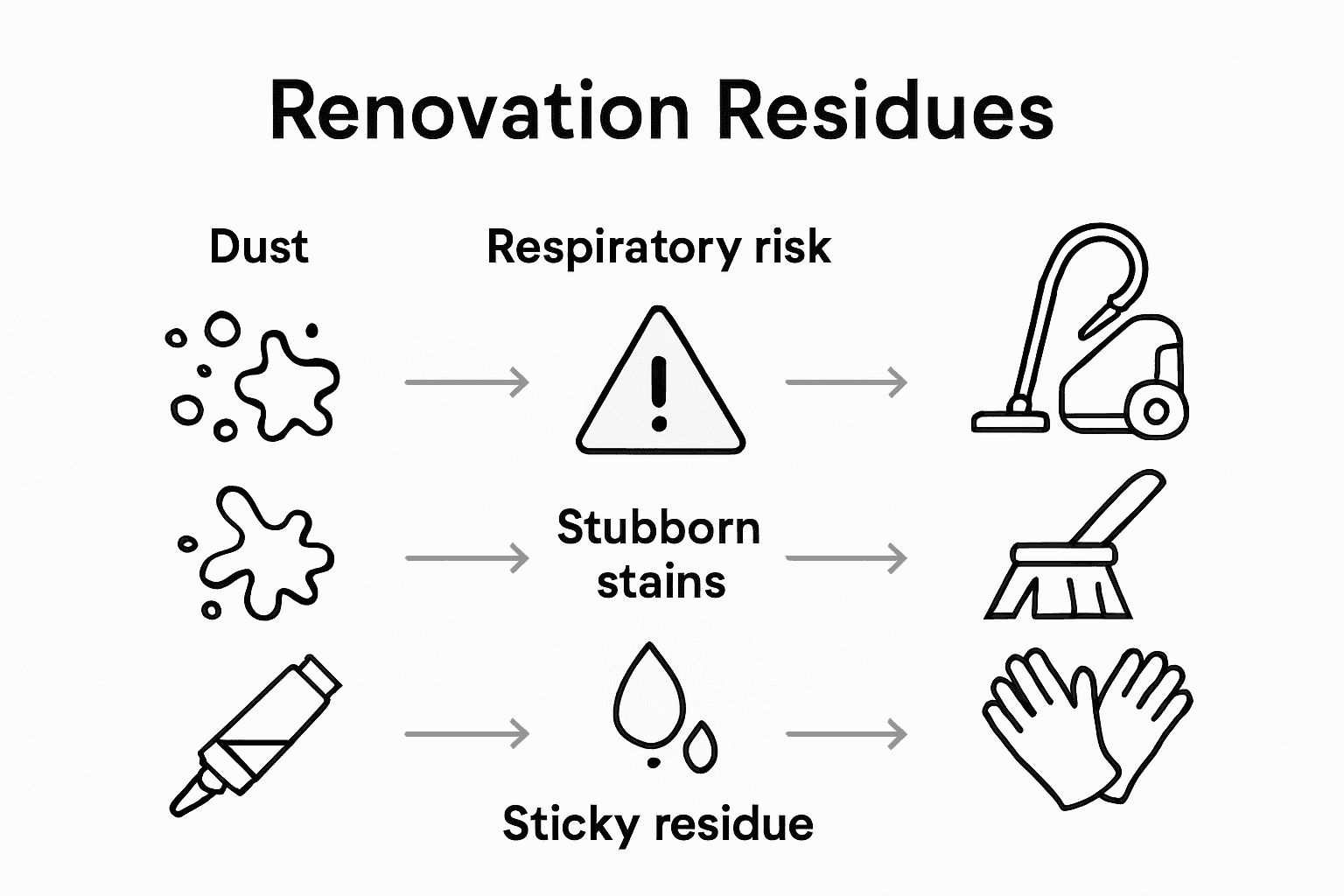
Renovation processes generate a complex array of residues and potential environmental hazards that can significantly impact indoor air quality and human health. Renovation waste streams encompass multiple material types, ranging from construction debris to chemical byproducts that require specialised handling and disposal strategies.
The primary categories of renovation residue include solid construction materials and potentially toxic chemical compounds. Solid waste typically comprises concrete blocks, timber fragments, ceramic tiles, plastics, and metal scraps, while chemical residues involve volatile organic compounds (VOCs), paint remnants, adhesive materials, and potentially hazardous heavy metal particulates. Construction waste generation varies across different renovation stages, with layout transformation phases producing substantially larger waste volumes compared to more specialised engineering processes.
Key renovation residue categories include:
- Particulate Matter: Fine dust from cutting, grinding, and demolition activities
- Chemical Residues: Paint, solvents, adhesives, and treatment compounds
- Biological Contaminants: Mould spores, bacteria introduced during construction
- Heavy Metal Fragments: Lead, mercury, and other potentially toxic materials
- Synthetic Material Waste: Plastic, fibreglass, and synthetic insulation debris
Pro tip for Safety: Always conduct a comprehensive site assessment and segregate different waste types before disposal to minimise environmental contamination and potential health risks.
Understanding these diverse renovation residue types is crucial for implementing effective cleaning protocols that protect both human health and property integrity.
Here is a comparison of common renovation residues and their typical cleaning challenges:
| Residue Type | Typical Source | Cleaning Challenge |
|---|---|---|
| Fine dust | Cutting, sanding, demolition | Penetrates ventilation, resurfaces easily |
| Chemical residue | Paints, adhesives, solvents | Requires safe, targeted removal |
| Biological contaminants | Dampness, building materials | Risk of health issues if spread |
| Heavy metals | Painted surfaces, older materials | Demands specialist handling |
| Synthetic waste | Plastics, insulations | Difficult to recycle, persistent debris |
Key Steps In Professional Deep Cleaning
Post-renovation deep cleaning requires a systematic, comprehensive approach that transforms construction sites into pristine, safe environments. Professional cleaning strategies encompass multiple strategic stages designed to address the unique challenges presented by renovation debris and potential health hazards.
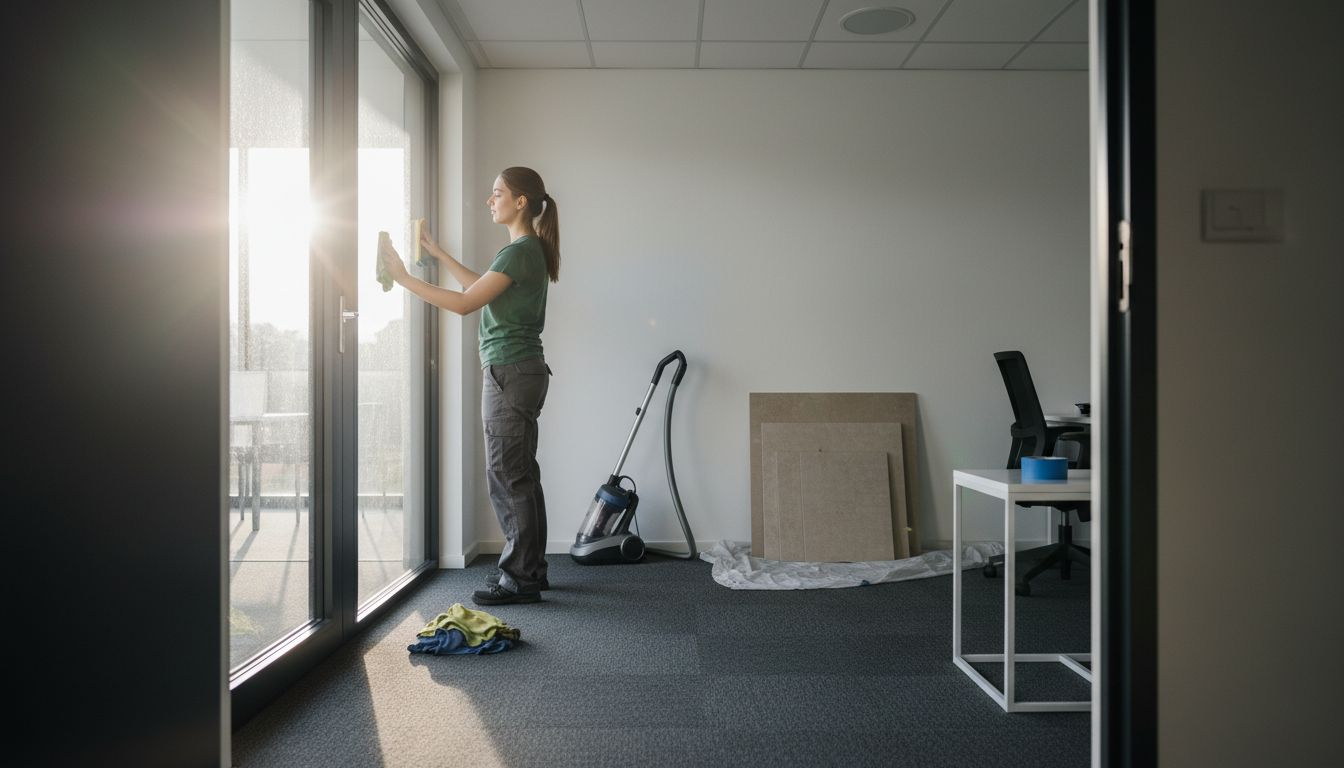
The professional deep cleaning process involves a meticulously planned sequence of interventions. Initial stages focus on gross debris removal, with specialised teams systematically clearing large construction waste, dust accumulation, and surface-level contaminants. Advanced cleaning protocols then transition into detailed sanitisation, employing industrial-grade equipment and targeted cleaning agents to neutralise microscopic pollutants, chemical residues, and potential biological contaminants.
Key professional deep cleaning steps include:
- Initial Debris Removal: Clearing large construction waste and loose materials
- Dust Extraction: Using high-efficiency particulate air (HEPA) filtration systems
- Surface Decontamination: Applying specialised disinfectants to all surfaces
- Deep Sanitisation: Treating hard-to-reach areas and potential microbial breeding grounds
- Air Quality Restoration: Eliminating volatile organic compounds and airborne particulates
- Final Inspection: Comprehensive quality assessment of cleaned spaces
Cleaning Equipment Essentials:
- Industrial vacuum cleaners with HEPA filters
- Microfibre cleaning systems
- Professional-grade disinfection sprayers
- Specialised surface treatment tools
- Advanced air purification devices
Pro tip for Professionals: Always develop a customised cleaning protocol that accounts for specific renovation materials, surface types, and potential contamination risks.
Successful post-renovation deep cleaning requires a combination of technical expertise, specialised equipment, and a methodical approach to transforming construction sites into safe, habitable environments.
Health, Safety, And Regulatory Implications
Post-renovation environments present complex health and safety challenges that extend far beyond superficial cleaning requirements. Navigating environmental hazards during space transformations demands rigorous assessment and comprehensive mitigation strategies to protect human health and ensure regulatory compliance.
The primary health risks associated with renovation processes stem from multiple potential contaminants, including asbestos fibres, lead-based paint residues, volatile organic compounds (VOCs), silica dust, and potentially harmful chemical agents. These microscopic threats can trigger severe respiratory conditions, neurological complications, and long-term health implications if not appropriately managed and eliminated through professional intervention.
Key regulatory and safety considerations include:
- Hazardous Material Identification: Comprehensive assessment of potential toxic substances
- Exposure Limit Monitoring: Tracking airborne contaminant concentrations
- Personal Protective Equipment (PPE): Mandatory safety gear for cleaning professionals
- Waste Disposal Protocols: Specialised handling of construction and chemical waste
- Air Quality Certification: Independent testing and verification of indoor environmental standards
- Comprehensive Documentation: Maintaining detailed records of cleaning and decontamination processes
Potential Health Risks Breakdown:
- Respiratory system damage
- Neurological impairments
- Skin and mucous membrane irritation
- Potential carcinogenic exposure
- Long-term chronic health complications
Pro tip for Safety Management: Conduct thorough pre-cleaning risk assessments and engage certified environmental health professionals to develop tailored mitigation strategies.
Effective health and safety management during post-renovation cleaning requires a multidisciplinary approach that integrates scientific knowledge, regulatory expertise, and meticulous implementation of protective measures.
Cost Considerations And Post-Renovation ROI
Post-renovation deep cleaning represents a strategic investment that directly impacts property value, occupant health, and long-term maintenance expenses. Pre-refurbishment auditing and waste management strategies play a critical role in optimising financial outcomes and reducing unnecessary expenditure throughout the renovation and cleaning process.
The economic calculus of post-renovation cleaning extends beyond immediate surface-level considerations. Sustainable cleaning interventions require comprehensive life cycle evaluations that account for material costs, labour expenses, environmental impact, and potential long-term preservation of renovation investments. Property owners must consider not just the upfront cleaning expenses, but the broader financial implications of thorough, professional cleaning approaches.
Key financial dimensions of post-renovation cleaning include:
- Direct Cleaning Costs: Labour, equipment, and material expenses
- Preventative Maintenance Savings: Reducing future repair and restoration requirements
- Property Value Protection: Maintaining aesthetic and structural integrity
- Health-Related Cost Avoidance: Minimising potential medical expenses from contamination
- Regulatory Compliance: Avoiding potential fines and legal complications
ROI Calculation Factors:
- Initial cleaning investment
- Avoided repair and restoration costs
- Extended surface and material lifespan
- Enhanced property marketability
- Reduced long-term maintenance expenses
Pro tip for Financial Planning: Always request itemised cleaning proposals that break down specific services, enabling precise cost-benefit analysis and identifying potential efficiency opportunities.
Successful post-renovation financial management requires a holistic approach that balances immediate cleaning requirements with strategic long-term property preservation and value enhancement strategies.
The following table summarises the financial impact of investing in professional post-renovation cleaning:
| Cost Factor | Short-Term Effect | Long-Term Effect |
|---|---|---|
| Cleaning service fees | Upfront outlay for labour and tools | Reduced future maintenance costs |
| Health protection | Minimises immediate exposure | Fewer medical expenses and absences |
| Regulatory compliance | Avoids fines for violations | Sustains property value and insurability |
| Material preservation | Protects recent installations | Extends lifespan of all surfaces |
| Waste management | Ensures safe disposal | Lowers risk of liability claims |
Protect Your Renovation Investment with Expert Deep Cleaning
After renovation, microscopic hazards such as dust, chemical residues, and biological contaminants can threaten your health and property value. The article highlights the crucial need for thorough post-renovation cleaning to restore safe, usable spaces and prevent long-term health risks. At HARC Solutions, we understand these challenges and offer specialised after-build and renovation cleaning services tailored to landlords, estate agents, developers, and businesses who demand the highest standards of safety and hygiene.
Our professionally trained and insured staff use industrial-grade equipment and proven sanitisation protocols to remove fine dust, chemical residues, and hidden contaminants. Trust us to safeguard your newly improved environment and preserve your financial investment with care, attention to detail, and a satisfaction guarantee.
Take the first step towards a safe, pristine space today with HARC Solutions. Explore our after-build cleaning services designed to tackle renovation residues and ensure your property is ready for immediate use. Book your tailored cleaning solution now and experience why local property managers and businesses rely on HARC Solutions for dependable, comprehensive post-renovation cleaning.
Frequently Asked Questions
What is the purpose of deep cleaning after renovation?
Post-renovation deep cleaning is essential to ensure that construction sites are free from hazardous materials such as dust, volatile organic compounds (VOCs), and harmful bacteria. It transforms these spaces into safe, habitable environments by addressing health risks and protecting property investments.
What types of residues are common after a renovation?
Common residues include fine dust from cutting and demolition, chemical residues like paints and adhesives, biological contaminants such as mould spores, heavy metals, and synthetic waste from materials like plastics and insulation.
What are the key steps involved in professional deep cleaning after renovation?
Professional deep cleaning typically includes initial debris removal, dust extraction, surface decontamination, deep sanitisation, air quality restoration, and a final inspection to ensure thorough cleanliness and safety.
Why is it important to consider health and safety during post-renovation cleaning?
Health and safety considerations are crucial because renovation can introduce harmful contaminants that pose respiratory and neurological risks. Proper cleaning is necessary to mitigate these risks and comply with regulatory standards, ensuring the safety of occupants in the renovated space.