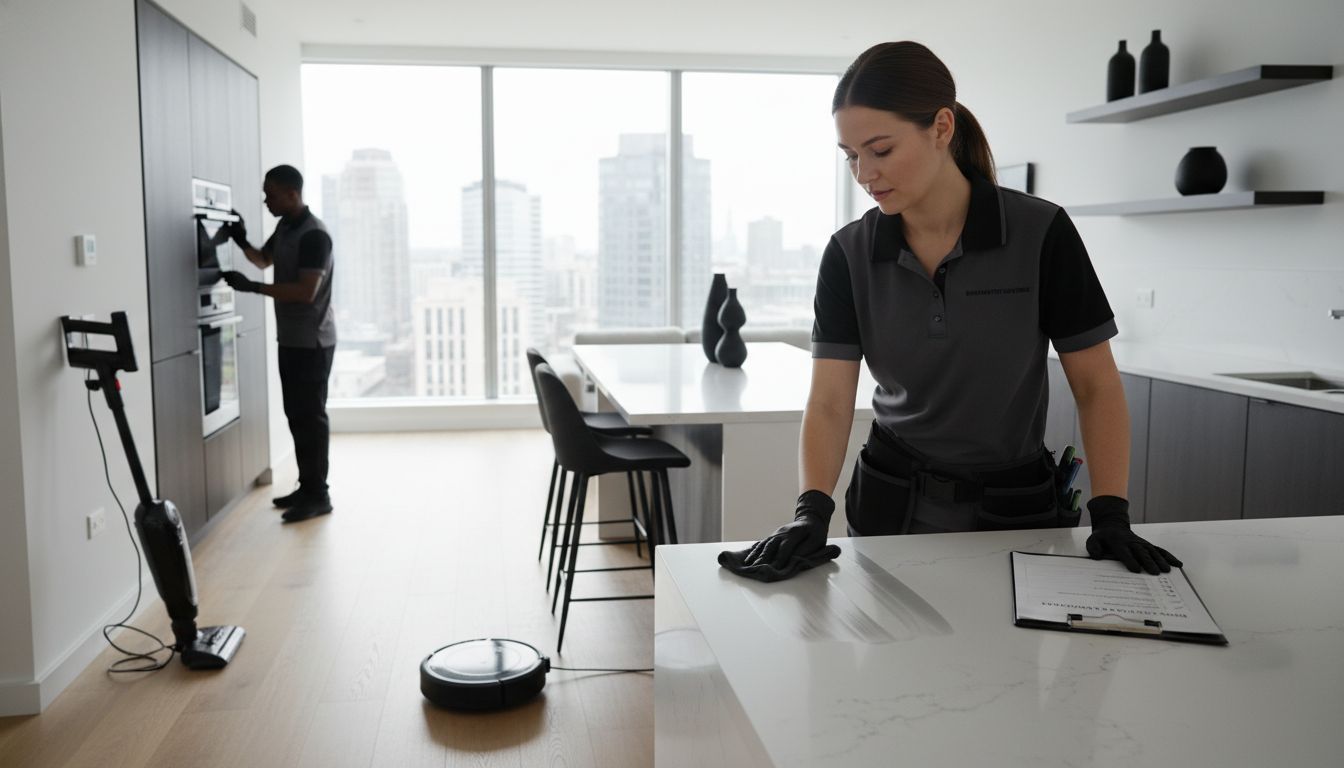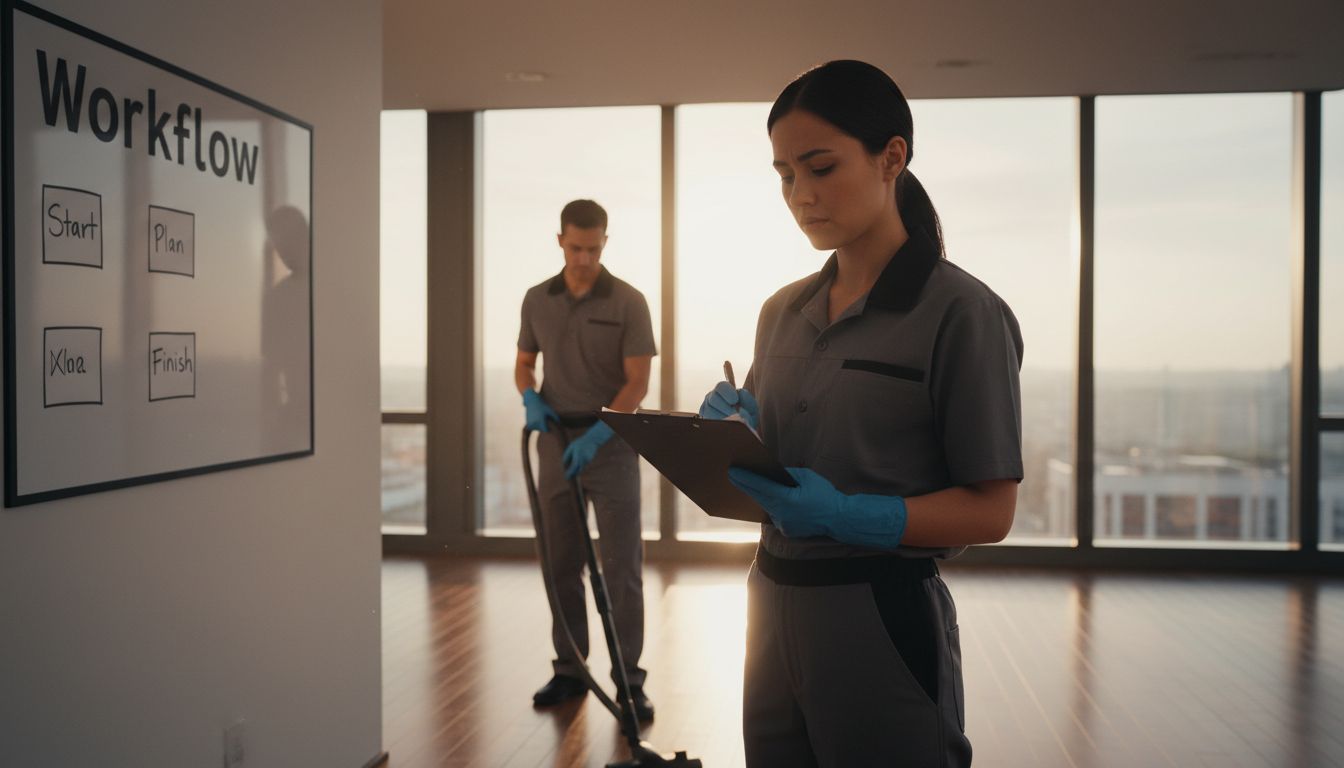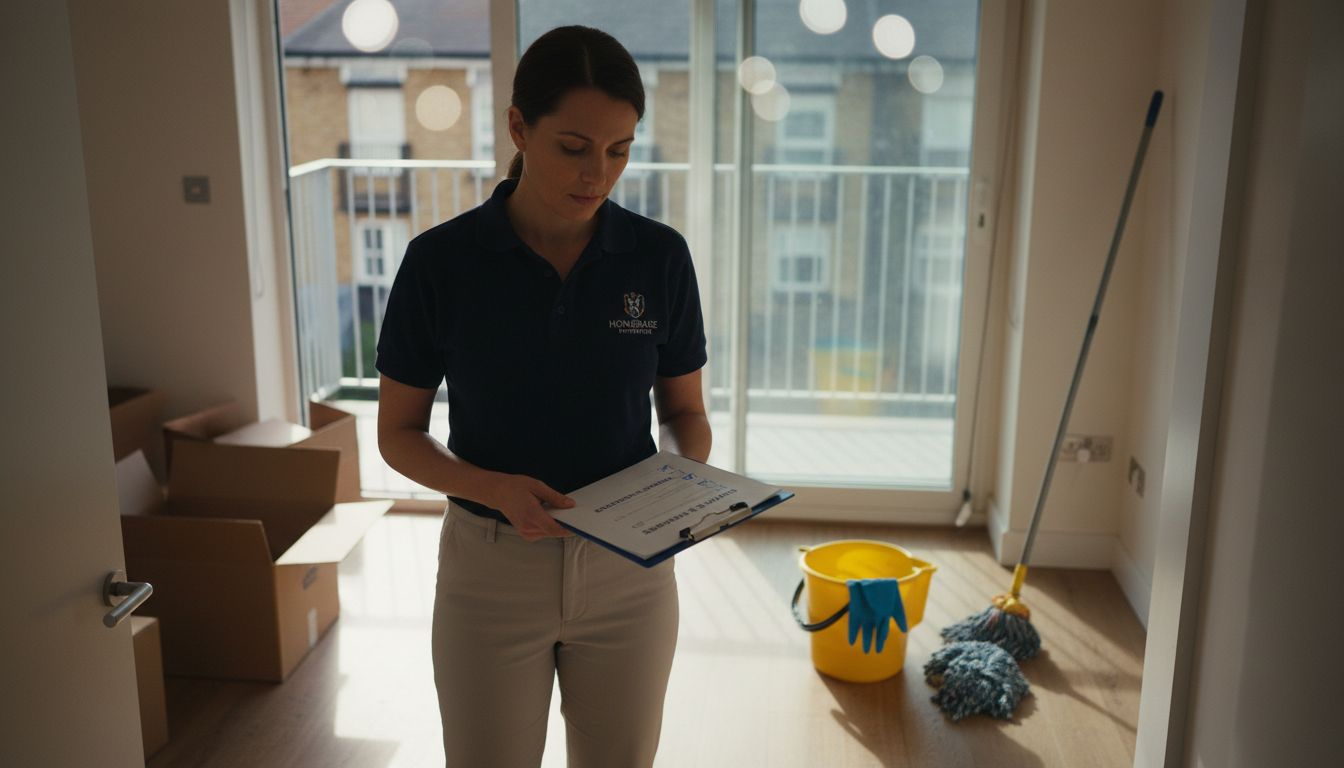
Most British landlords and property managers will agree disputes about cleaning standards are among the top reasons for deposit deductions in London. High tenant turnover and tight timelines make clarity around cleanliness expectations more urgent than ever. Knowing exactly what pre-tenancy and post-tenancy cleaning involve helps protect your investment and reputation while also reducing misunderstandings. This guide reveals where misconceptions most often arise and explains the steps required to keep your rental properties consistently spotless.
Table of Contents
- Tenant Cleaning Defined: Purpose And Misconceptions
- Pre And Post-Tenancy Cleaning Types Explained
- Inside The Tenant Cleaning Process: Step By Step
- Service Standards And Legal Cleaning Obligations
- Landlord Responsibilities, Costs And Avoidable Pitfalls
Key Takeaways
| Point | Details |
|---|---|
| Understanding Tenant Cleaning | Tenant cleaning is a comprehensive process that ensures a property is returned to the standards outlined in the tenancy agreement, involving thorough cleaning beyond just surface tidying. |
| Pre and Post-Tenancy Responsibilities | Both pre-tenancy and post-tenancy cleaning are vital for ensuring compliance with hygiene standards and maximizing the return of security deposits. |
| Legal and Financial Implications | Failing to meet cleaning obligations can result in financial penalties and disputes, emphasizing the importance of thorough documentation and compliance with tenancy agreements. |
| Landlord and Tenant Communication | Clear communication regarding cleaning standards and responsibilities can help prevent misunderstandings and ensure smooth transitions between tenants. |
Tenant Cleaning Defined: Purpose And Misconceptions
Tenant cleaning represents a critical contractual obligation that goes far beyond surface-level tidying. At its core, this process involves restoring a rental property to a state of cleanliness that meets specific standards outlined in the tenancy agreement. While many assume tenant cleaning is straightforward, the term ‘clean’ often leads to nuanced disputes about expectations.
Understanding tenant cleaning requires recognising several fundamental aspects. Professional cleaning involves thoroughly addressing both visible and hidden areas within a property, not merely wiping down surfaces that are immediately apparent. Many tenants mistakenly believe that cheap cleaning services or superficial efforts are sufficient, which frequently results in potential financial penalties or disputes with property managers.
The primary purpose of tenant cleaning extends beyond aesthetic considerations. It represents a contractual responsibility that ensures the next occupant receives a hygienic, well-maintained living space. This process typically encompasses deep cleaning of all rooms, including often-neglected areas like skirting boards, light switches, window frames, and inside appliances. Property managers expect a comprehensive restoration that returns the property to its original condition, accounting for reasonable wear and tear.
Pro Tip: Document Every Detail: Take comprehensive photographs of the property’s condition before and after cleaning, creating a visual record that can protect you from potential disputes about cleaning standards.
Pro Safety Tip: Always verify the specific cleaning requirements in your tenancy agreement, as standards can vary significantly between different property management organisations.
Pre And Post-Tenancy Cleaning Types Explained
Tenancy cleaning encompasses two distinct yet interconnected processes: pre-tenancy and post-tenancy cleaning, each serving unique purposes in maintaining property standards. Comprehensive cleaning requirements involve meticulously addressing all fixtures, surfaces, and hidden areas, ensuring properties remain in optimal condition throughout rental transitions.
Pre-tenancy cleaning occurs before new tenants move in, focusing on preparing the property to exceptional standards. This process typically involves deep cleaning every room, sanitising all surfaces, checking and cleaning appliances, washing windows, and ensuring the entire space appears pristine and welcoming. Property managers conduct thorough inspections to verify the property meets high hygiene and presentation standards, addressing any potential maintenance issues simultaneously.
Post-tenancy cleaning represents the final cleaning stage when existing tenants vacate a property. This cleaning type is particularly crucial, as it determines whether tenants receive their full security deposit return. Tasks include comprehensive cleaning of all areas, removing scuff marks, washing floors, wiping cabinets, cleaning inside appliances, and restoring the property to its original condition. Attention to detail is paramount, with property managers expecting a level of cleanliness that prepares the space for immediate occupancy by new tenants.

Pro Tip: Systematic Approach: Create a detailed cleaning checklist before moving out, systematically working through each room and documenting your cleaning progress with dated photographs to protect your security deposit.
Pro Safety Tip: Always review your tenancy agreement’s specific cleaning requirements, as standards can vary significantly between different property management organisations.
Here is a summary comparing pre-tenancy and post-tenancy cleaning requirements:
| Aspect | Pre-Tenancy Cleaning | Post-Tenancy Cleaning |
|---|---|---|
| Purpose | Prepare for new occupants | Ensure return of security deposit |
| Typical Focus Areas | All rooms, appliances, windows | Floors, cabinets, appliances, hidden spaces |
| Inspection Conducted By | Property manager before occupancy | Property manager after vacating |
| Key Outcome | Meet hygiene and presentation standards | Restore property to original condition |
Inside The Tenant Cleaning Process: Step By Step
The tenant cleaning process is a systematic approach that requires meticulous planning and execution to ensure a property meets professional standards. Comprehensive tenant move-out cleaning involves a strategic workflow designed to address every aspect of property restoration, from superficial cleaning to deep sanitisation.
The cleaning process typically unfolds through several critical stages. Initial Assessment involves thoroughly documenting the property’s current condition, identifying areas requiring special attention. This stage includes creating a detailed inventory of existing fixtures, surfaces, and potential problem areas. Tenants should photograph and record the property’s condition, paying close attention to potential wear and damage that might impact their security deposit return.
Subsequent stages involve room-by-room cleaning, with a methodical approach that ensures no area is overlooked. Key areas of focus include kitchen appliances, bathroom fixtures, flooring, walls, windows, and storage spaces. Each room demands specific cleaning techniques: kitchens require degreasing and appliance deep cleaning, bathrooms need thorough sanitisation, and living areas demand careful surface treatment to remove scuff marks and restore original appearances. Attention to often-neglected spaces like skirting boards, light switches, and interior cupboard spaces is crucial for meeting property management standards.
Pro Tip: Systematic Documentation: Create a personalised cleaning checklist with photographic evidence of each completed task, providing comprehensive proof of your thorough property restoration efforts.
Pro Safety Tip: Always cross-reference your cleaning process with the specific requirements outlined in your tenancy agreement to ensure complete compliance.
Service Standards And Legal Cleaning Obligations
Legal cleaning obligations form a critical framework that defines tenant responsibilities during property transitions. Tenants are legally required to clean all fixtures, wipe cabinets, wash floors, and remove scuff marks from walls to meet specific landlord standards, with potential financial consequences for non-compliance.
Quality cleaning service standards establish a comprehensive benchmark for property restoration. These standards go beyond basic cleaning, encompassing detailed expectations for sanitisation, maintenance, and preservation of property condition. Property managers typically assess cleanliness based on precise criteria, evaluating everything from surface treatments to deep cleaning of appliances and often-overlooked areas like skirting boards, light switches, and interior cupboard spaces.
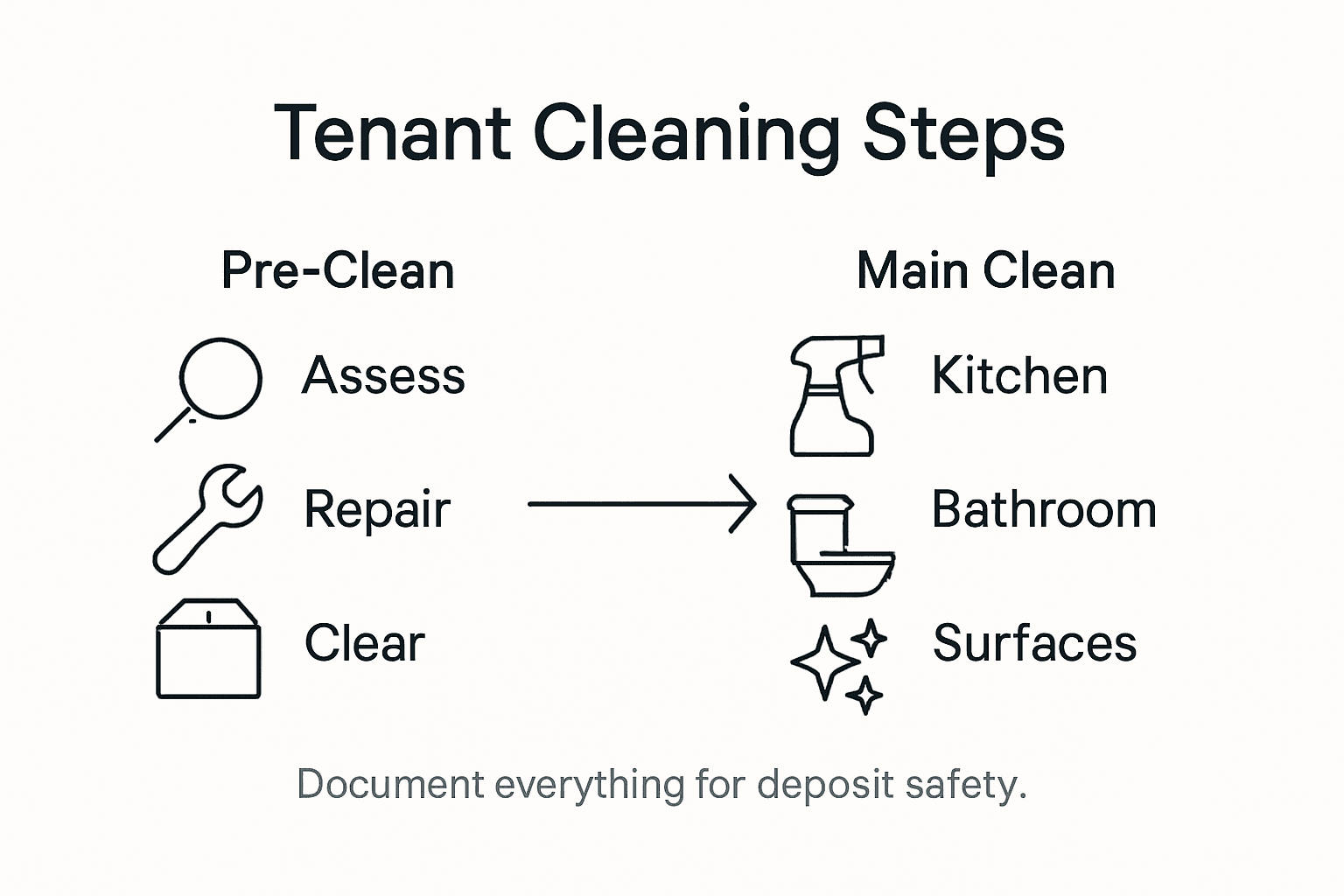
Legal obligations extend beyond superficial cleaning, requiring tenants to return properties to a condition that closely matches their initial state, accounting for reasonable wear and tear. This means thoroughly addressing potential damage, removing personal belongings, and ensuring all areas are meticulously cleaned. Failure to meet these standards can result in significant financial penalties, including partial or full forfeiture of security deposits. Property managers and landlords have legal rights to deduct cleaning and restoration costs from tenant deposits if the property does not meet the agreed-upon standards outlined in the tenancy agreement.
Pro Tip: Documentation Defence: Maintain a comprehensive photographic record of the property’s condition before and after cleaning, including timestamps and detailed images of cleaned areas, to protect yourself against potential disputes.
Pro Safety Tip: Always request a detailed cleaning checklist from your property manager before moving out, ensuring you understand and can meet all specific cleaning requirements.
Landlord Responsibilities, Costs And Avoidable Pitfalls
Landlords carry substantial responsibilities in managing property cleaning standards, which extend far beyond simple maintenance expectations. Understanding pre-tenancy cleaning requirements helps minimise potential disputes and financial complications, ensuring smooth property transitions between tenants.
Financial Considerations play a critical role in tenant cleaning management. Landlords must budget for potential restoration costs, including professional cleaning services, repairs, and potential periods of vacancy. These expenses can quickly accumulate if properties are not systematically maintained. Common financial pitfalls include underestimating cleaning complexity, failing to conduct thorough initial and exit inspections, and not establishing clear contractual cleaning expectations with tenants.
Key landlord responsibilities involve creating comprehensive documentation that explicitly outlines cleaning standards, conducting objective property condition assessments, and maintaining transparent communication with tenants. This approach minimises misunderstandings and provides a clear framework for property restoration. Successful landlords develop standardised checklists, conduct professional-grade initial and exit inspections, and establish precise cleaning expectations that protect both tenant and property owner interests. Proactive management reduces potential legal disputes, maintains property value, and ensures smoother rental transitions.
Pro Tip: Documentation Strategy: Develop a comprehensive, photographically documented property condition report during tenant move-in, including detailed cleaning standards, to establish clear expectations and protect your investment.
Pro Safety Tip: Always consult a legal professional to ensure your tenancy agreements contain precise, enforceable cleaning clauses that protect your property interests.
Below is a table outlining common pitfalls and effective solutions for both tenants and landlords in the cleaning process:
| Common Pitfall | Who is Affected | Preventive Solution |
|---|---|---|
| Misunderstanding cleaning standards | Tenant | Review detailed tenancy agreement |
| Incomplete documentation | Tenant, Landlord | Take dated, comprehensive photographs |
| Underestimating cleaning complexity | Landlord | Use thorough cleaning checklists |
| Poor communication of requirements | Tenant, Landlord | Maintain clear written communication |
Ensure Your Property Meets Every Cleaning Standard with Expert Help
Tenant cleaning involves more than just tidying surfaces. As highlighted, the process demands detailed attention to often-overlooked areas such as skirting boards, light switches and inside appliances. Failure to meet these legal and contractual cleaning obligations can risk your security deposit or cause costly disputes. Whether you are a tenant striving to restore a property to its original condition or a landlord aiming to prepare a property for new occupants, trusting professional cleaning experts is essential to avoid complications and meet all specified standards.
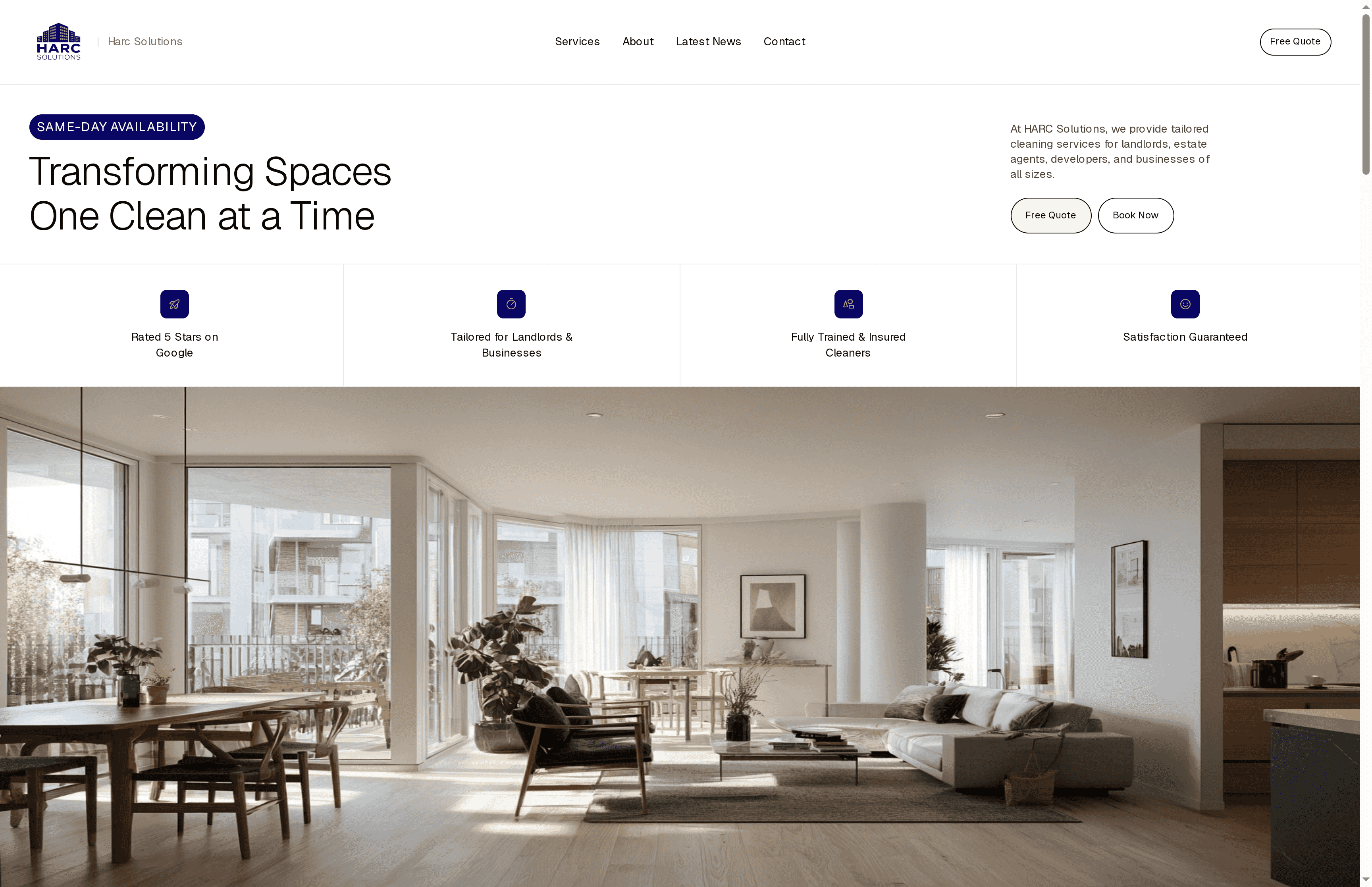
Discover how HARC Solutions can relieve the stress of tenancy cleaning with tailored services for both pre and post-tenancy needs. Our trained and insured staff use proven checklists aligned with tenancy agreements to deliver immaculate results that protect your investment and reputation. Don’t wait until the last minute – explore our range of comprehensive cleaning solutions and book a service today to guarantee a smooth handover and peace of mind. Visit HARC Solutions now to get started and see why property managers and landlords trust us to maintain high standards through every rental transition.
Frequently Asked Questions
What is tenant cleaning?
Tenant cleaning is the process of thoroughly cleaning a rental property to meet specific standards outlined in the tenancy agreement, ensuring it is hygienic and well-maintained for the next occupant.
Why is post-tenancy cleaning important?
Post-tenancy cleaning is crucial as it determines whether tenants receive their full security deposit back. It involves comprehensive cleaning tasks that restore the property to its original condition, accounting for reasonable wear and tear.
What are the specific areas to focus on during tenant cleaning?
Key areas to focus on during tenant cleaning include kitchen appliances, bathroom fixtures, floors, walls, windows, and often-overlooked spots like skirting boards and light switches, ensuring nothing is missed.
How can tenants protect their security deposit during the cleaning process?
Tenants can protect their security deposit by documenting the property’s condition with photographs before and after cleaning, using a detailed cleaning checklist, and ensuring they meet all specific cleaning requirements outlined in their tenancy agreement.