
Over 85 percent of British workers say that office cleanliness directly affects their job satisfaction. Amid busy schedules and packed workplaces, ignoring regular cleaning can take a real toll on health, morale, and productivity. Understanding what goes into regular office cleaning gives businesses the tools to create safer, more inviting environments that benefit everyone on the team.
Table of Contents
- What Is Regular Office Cleaning?
- Types Of Office Cleaning Services Available
- How Cleanliness Impacts Health And Productivity
- Hygiene Standards And Legal Requirements For Workplaces
- Risks Of Neglecting Regular Office Cleaning
Key Takeaways
| Point | Details |
|---|---|
| Regular Office Cleaning is Essential | Implement a structured cleaning routine to ensure workplace hygiene and organisation is consistently maintained. |
| Cleaning Impacts Health and Productivity | A clean environment reduces illness and enhances employee morale, leading to higher productivity. |
| Hygiene Standards are Legally Binding | Organisations must adhere to strict hygiene regulations to avoid legal repercussions and foster a safe workplace. |
| Neglecting Cleaning has Serious Risks | Inadequate cleaning can result in health hazards, decreased efficiency, and a tarnished organisational reputation. |
What Is Regular Office Cleaning?
Regular office cleaning is a systematic, proactive approach to maintaining workplace hygiene and organisation through scheduled, comprehensive cleaning activities. Unlike sporadic or reactive cleaning methods, regular office cleaning involves consistent, planned interventions designed to preserve a healthy and productive work environment.
A comprehensive regular cleaning programme typically includes daily, weekly, and monthly tasks that address different areas of an office space. These tasks might encompass surface sanitisation, floor maintenance, waste management, and detailed cleaning of high-touch areas like desks, keyboards, telephones, and communal spaces. By implementing a structured cleaning checklist, businesses can ensure no critical areas are overlooked.
The frequency and intensity of regular office cleaning can vary depending on several factors, including office size, number of employees, type of workspace, and industry-specific hygiene requirements. For instance, a medical consulting room will require more rigorous cleaning protocols compared to a small creative studio. Factors like foot traffic, shared equipment, and environmental conditions also influence the cleaning schedule and approach.
Professional cleaning services often recommend establishing a customised cleaning routine that balances thoroughness with efficiency. This might involve daily light cleaning, such as emptying bins and wiping surfaces, complemented by deeper weekly or monthly interventions that address more comprehensive maintenance needs.
Pro Tip: Schedule Deep Clean: Develop a strategic cleaning calendar that includes daily light maintenance and quarterly deep cleaning sessions to maintain optimal workplace hygiene and prevent long-term dirt accumulation.
Types Of Office Cleaning Services Available
Office cleaning services encompass a diverse range of specialised approaches designed to meet varying workplace maintenance requirements. These services are strategically developed to address different levels of cleaning intensity, complexity, and specific organisational needs. From routine maintenance to comprehensive deep cleaning, businesses can select services tailored to their unique environmental and hygienic standards.
Typical office cleaning services include daily maintenance, which involves fundamental tasks like surface wiping, bin emptying, and quick sanitisation of high-touch areas. More intensive options like comprehensive commercial cleaning services extend beyond basic maintenance to include thorough floor cleaning, window washing, carpet treatment, and detailed sanitisation of communal spaces. These services often employ specialised equipment and professional-grade cleaning solutions to ensure maximum effectiveness.
Additional specialised cleaning services cater to specific workplace requirements. These might include electronic equipment cleaning, which demands precision and specialised techniques to prevent damage, industrial space cleaning with robust decontamination protocols, and after-hours deep cleaning for minimal workplace disruption. Sectors like healthcare, technology, and manufacturing often require bespoke cleaning approaches that go beyond standard office maintenance.
Professional cleaning providers typically offer flexible service packages that can be customised according to office size, employee count, industry regulations, and budget constraints. Many companies now offer modular cleaning solutions that allow businesses to select specific services or create comprehensive cleaning programmes that evolve with their operational needs.
Here is a summary table contrasting basic and advanced office cleaning services:
| Service Level | Core Activities | Typical Frequency | Suitability |
|---|---|---|---|
| Basic Cleaning | Surface wiping, bin emptying | Daily | Standard offices, low foot traffic |
| Advanced Cleaning | Carpet, window, and equipment care | Weekly or monthly | High-traffic or specialist offices |
| Specialist Cleaning | Decontamination, tech equipment | As required | Healthcare, manufacturing, IT firms |
Pro Tip: Custom Cleaning Assessment: Conduct a detailed workplace audit to identify specific cleaning requirements and develop a tailored cleaning strategy that balances thoroughness, cost-effectiveness, and minimal operational disruption.
How Cleanliness Impacts Health And Productivity
The relationship between workplace cleanliness and overall organisational performance is profound and multifaceted, extending far beyond mere aesthetic considerations. A meticulously maintained work environment directly influences employee health, psychological well-being, and professional productivity, creating a holistic ecosystem that supports optimal workplace performance.
Physical health represents the most immediate and tangible benefit of consistent office cleaning. Surfaces contaminated with bacteria, viruses, and other microorganisms can become transmission vectors for illnesses, leading to increased sick leave and reduced workplace efficiency. Commercial cleaning practices play a critical role in mitigating these health risks by systematically reducing pathogen presence through targeted sanitisation techniques, thereby minimising potential disease spread among employees.
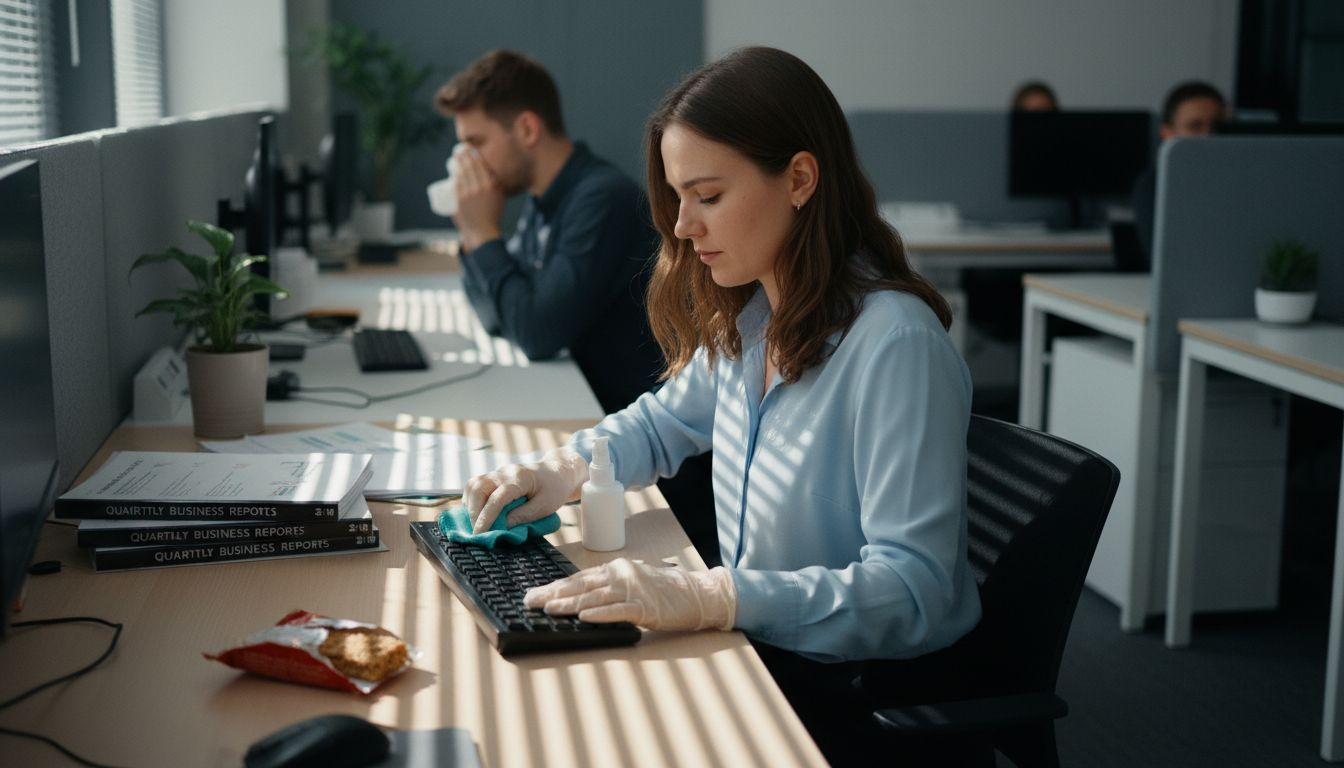
Psychological impacts of cleanliness are equally significant. A well-maintained workspace reduces stress, enhances mental clarity, and promotes a sense of professional pride. Employees working in clean, organised environments demonstrate higher levels of motivation, improved concentration, and increased job satisfaction. The visual and sensory experience of a pristine workplace can subconsciously signal respect, professionalism, and organisational competence, which positively influences both individual and collective performance.
Moreover, cleanliness directly correlates with workplace efficiency. Organised, clutter-free environments reduce time wasted searching for documents, minimise distractions, and create a more streamlined workflow. Regular cleaning prevents equipment degradation, reduces maintenance costs, and extends the functional lifespan of office infrastructure, representing a strategic investment in both human and physical workplace resources.
Pro Tip: Hygiene Audit: Implement a quarterly workplace hygiene assessment to identify potential contamination risks, track cleaning effectiveness, and continuously improve your office’s health and productivity standards.
Hygiene Standards And Legal Requirements For Workplaces
Workplace hygiene standards represent a complex intersection of legal obligations, health regulations, and organisational responsibilities that go beyond simple cleanliness. Businesses are legally mandated to maintain environments that protect employee health, prevent potential contamination, and ensure safe working conditions across various professional settings.
Regulatory frameworks typically require organisations to implement comprehensive cleaning protocols that address multiple aspects of workplace sanitation. Structured cleaning schedules play a crucial role in meeting these standards, encompassing systematic approaches to surface sanitisation, waste management, air quality maintenance, and high-touch area disinfection. These requirements vary across industries, with sectors like healthcare, food preparation, and manufacturing often facing more stringent hygiene regulations.
Key legal considerations include maintaining proper ventilation, ensuring regular surface cleaning, managing waste effectively, and preventing the accumulation of potential health hazards. Employers must conduct periodic risk assessments, document cleaning procedures, and provide adequate training to staff responsible for maintaining workplace hygiene. Failure to comply with these standards can result in significant legal penalties, potential workplace health investigations, and substantial financial liabilities.
Implementing robust hygiene standards requires a proactive approach that integrates professional cleaning services, employee education, and ongoing monitoring. This involves developing clear cleaning protocols, investing in appropriate sanitisation equipment, and creating a culture of workplace cleanliness that goes beyond mere compliance and focuses on genuine health protection.
Pro Tip: Compliance Documentation: Develop a comprehensive hygiene management system that includes detailed cleaning logs, risk assessment records, and regular internal audits to demonstrate ongoing commitment to workplace health and safety standards.
Risks Of Neglecting Regular Office Cleaning
Neglecting regular office cleaning represents a significant risk to organisational health, productivity, and financial sustainability. When cleaning protocols are overlooked or minimised, businesses expose themselves to a complex web of potential challenges that extend far beyond surface-level appearances, impacting employee well-being, operational efficiency, and corporate reputation.
Physical health risks emerge as the most immediate consequence of inadequate cleaning practices. Unclean workspaces become breeding grounds for harmful microorganisms, facilitating rapid transmission of infectious diseases. Professional cleaning checklists highlight how accumulated dust, bacteria, and viral particles on surfaces like keyboards, telephones, and shared equipment can dramatically increase employee illness rates, leading to substantial productivity losses and increased healthcare expenditures.
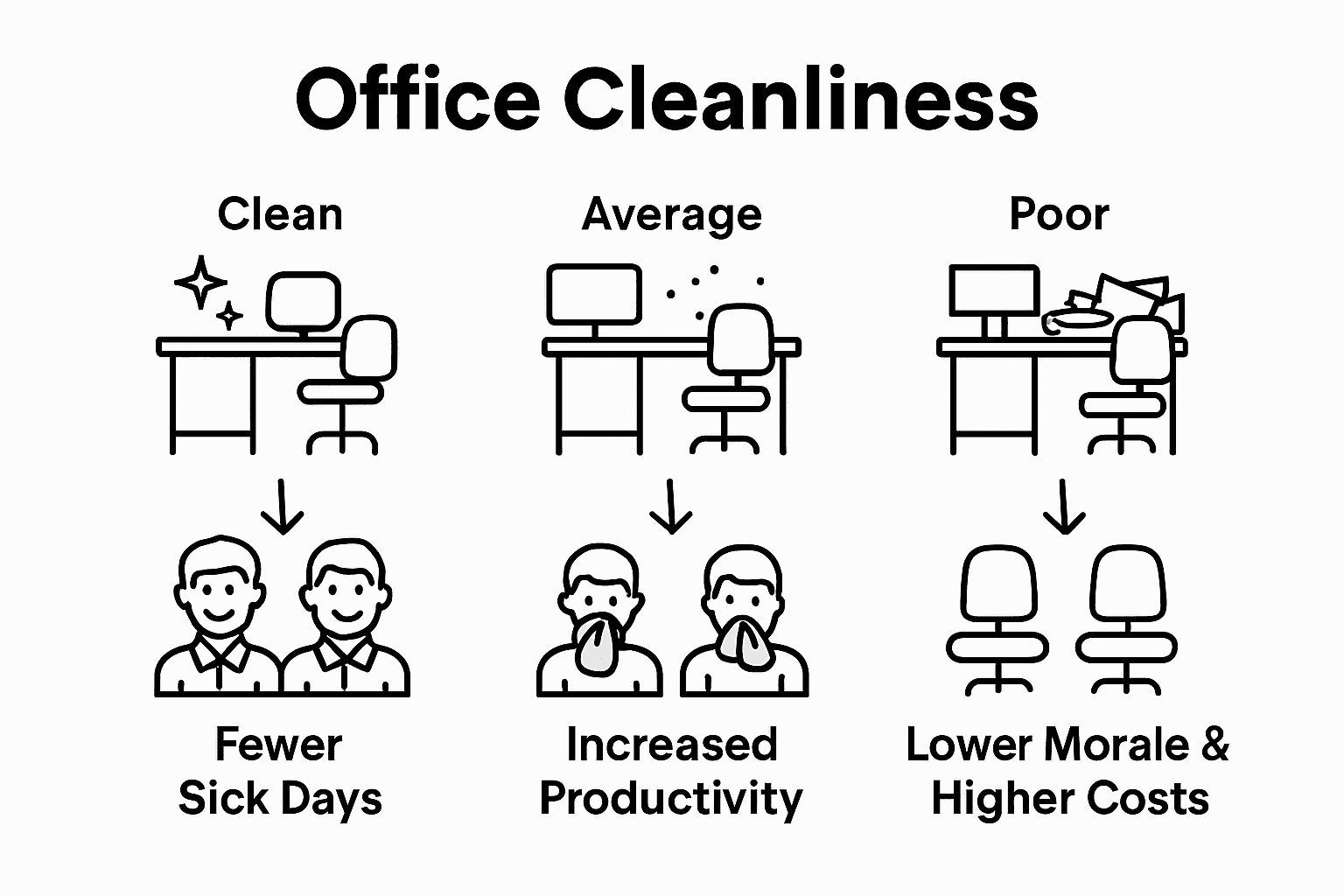
Beyond health implications, neglected cleaning standards significantly compromise workplace infrastructure and equipment longevity. Dust accumulation, unchecked moisture, and irregular maintenance accelerate equipment degradation, leading to premature mechanical failures, reduced technological performance, and substantial replacement costs. Electronic devices, intricate machinery, and sensitive workplace infrastructure become particularly vulnerable when routine cleaning and maintenance are consistently postponed or ignored.
Psychological and professional risks are equally profound. Unclean work environments diminish employee morale, create perceptions of organisational negligence, and potentially damage professional reputation. Potential clients, partners, and talent prospects may interpret poor workplace maintenance as a reflection of broader organisational standards, potentially undermining business credibility and recruitment efforts.
To illustrate the impact of office cleanliness, consider these key business benefits:
| Cleanliness Aspect | Health Effect | Productivity Impact | Cost Implication |
|---|---|---|---|
| Regular Cleaning | Reduces illness risk | Fewer sick days, better focus | Lowers equipment repair costs |
| Neglected Cleaning | Increases spread of infections | More absenteeism, poor morale | Higher healthcare, replacement outlay |
Pro Tip: Preventative Assessment: Conduct monthly visual workplace hygiene inspections to identify potential cleaning neglect areas and implement immediate corrective measures before they escalate into more significant organisational challenges.
Boost Your Workplace Health and Productivity with Expert Cleaning Solutions
Maintaining a clean office is essential to safeguard employee health and enhance productivity, as highlighted by the importance of regular office cleaning in reducing illness risks and sustaining a motivating work environment. If you face challenges such as managing high-touch area sanitisation or balancing daily maintenance with deep cleaning, HARC Solutions offers tailored professional services designed to meet your specific workplace needs. From comprehensive commercial office cleaning to specialised post-tenant cleaning, our trusted team ensures every corner of your workspace supports your team’s wellbeing and efficiency.
Take the proactive step today by choosing HARC Solutions for dependable, detail-oriented cleaning services. Explore how our customised cleaning programmes can align with your business goals and legal hygiene standards by visiting our commercial office cleaning page and learn from the latest cleaning tips and best practices. Act now to protect your employees and create a workspace that truly reflects your commitment to quality and care.
Frequently Asked Questions
What is regular office cleaning?
Regular office cleaning is a systematic approach to maintaining workplace hygiene through scheduled cleaning activities. It involves consistent interventions to preserve a healthy work environment.
How does cleanliness impact employee health?
A clean office reduces the presence of harmful bacteria and viruses, which lowers the risk of illness among employees. Regular cleaning practices significantly mitigate health risks and promote overall well-being.
What type of cleaning services are available for offices?
Office cleaning services range from daily maintenance tasks, like surface wiping and bin emptying, to more intensive options such as comprehensive deep cleaning, carpet care, and specialised equipment cleaning.
Why is hygiene important in the workplace?
Maintaining hygiene in the workplace ensures compliance with legal standards, protects employee health, enhances productivity, and prevents negative impacts on organisational reputation.