Renovation can leave even the tidiest british homes facing a surprising challenge: lingering construction dust and hidden debris put both health and safety at risk. Studies show post-renovation cleaning removes up to 90 percent of harmful particles invisible to the naked eye. For anyone planning property improvements, understanding what goes into thorough cleaning is crucial. This guide breaks down the safety, air quality, and legal reasons why professional post-renovation cleaning gives peace of mind and long-term value.
Table of Contents
- What Post‑Renovation Cleaning Involves
- Health Risks From Leftover Dust
- Physical Hazards And Injury Prevention
- Air Quality And VOC Removal
- Protecting Investment And Aesthetics
- Legal And Safety Compliance Requirements
Key Takeaways
| Point | Details |
|---|---|
| Importance of Professional Cleaning | Post-renovation cleaning goes beyond standard cleaning, addressing health and safety risks from construction residue and contaminants. |
| Health Risks from Dust | Construction dust, containing harmful substances, poses significant respiratory risks, especially for vulnerable individuals. |
| Physical Hazard Mitigation | Proper assessment and removal of physical hazards like sharp objects prevent injuries and property damage post-renovation. |
| Legal Compliance | Adhering to health and safety regulations during post-renovation cleaning is crucial to avoid legal liabilities and ensure occupant safety. |
What Post‑Renovation Cleaning Involves
Post-renovation cleaning represents a comprehensive process that goes far beyond standard domestic tidying. Unlike routine cleaning, this specialised service targets the unique challenges left behind after construction or significant property modifications. Construction residue creates multiple safety and health risks that require professional intervention.
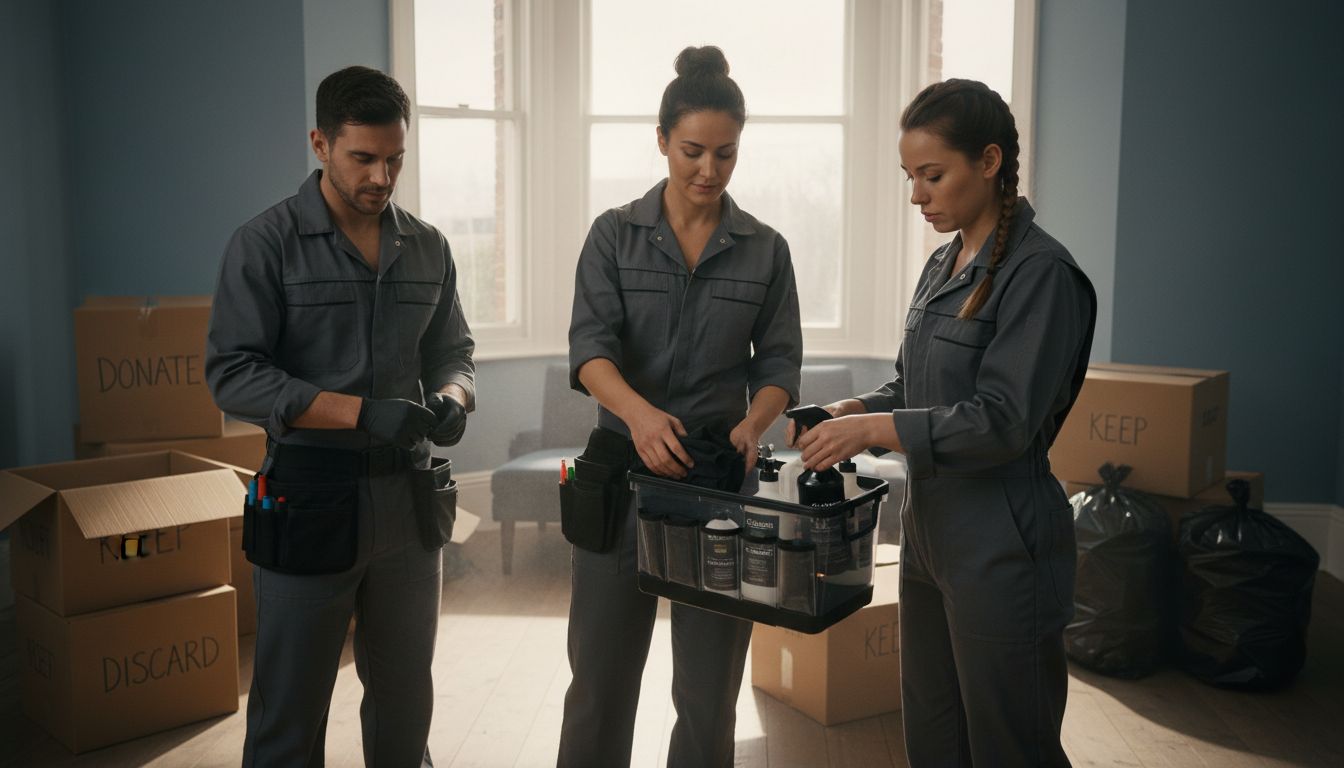
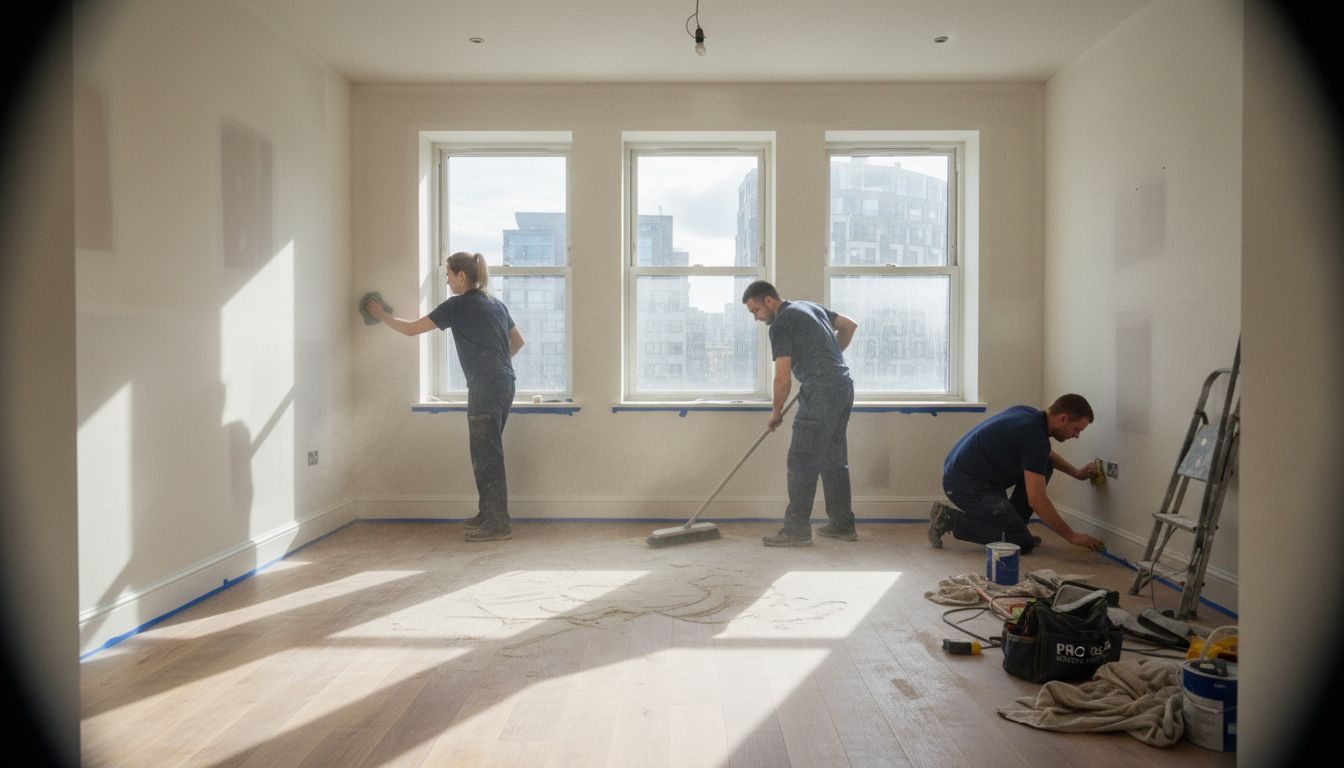
The cleaning process typically involves several critical stages. First, dust and debris removal is paramount - microscopic particles from building materials like plaster, cement, and timber can accumulate in hard-to-reach areas. Professionals use industrial-grade vacuum systems and specialised attachments to extract these potentially harmful particles from surfaces, ventilation systems, and hidden spaces. Professional cleaners play a crucial role in managing post-renovation cleaning complexity, ensuring thorough decontamination and preparation of renovated spaces.
Secondly, deep sanitisation becomes essential. Renovation work introduces numerous contaminants that standard cleaning cannot address. This includes removing paint splatters, cleaning grout lines, washing walls and ceilings, and sanitising surfaces that may have been exposed to construction materials. Specialised cleaning solutions are employed to break down chemical residues, eliminate potential allergens, and restore surfaces to their pristine condition. Professionals also focus on high-touch areas like door handles, light switches, and windowsills, which can harbour significant amounts of dust and microbial contamination.
Finally, post-renovation cleaning involves comprehensive quality checks and final detailing. Trained cleaning technicians methodically inspect every corner, ensuring no construction remnants remain. They polish surfaces, clean windows, and perform final touch-ups that transform a renovation site into a habitable, safe environment. Attention to detail during this stage prevents potential long-term issues like respiratory irritants, surface damage, or hidden contamination.
Here is a comparison of the key challenges addressed by professional post-renovation cleaning:
| Challenge | Risk if Unaddressed | Professional Response |
|---|---|---|
| Microscopic construction dust | Respiratory illness, poor air quality | High-efficiency vacuuming, HEPA filtration |
| Hazardous debris | Cuts, punctures, property damage | Systematic inspection, safe debris removal |
| Volatile organic compounds (VOCs) | Long-term health risks, odour | Advanced air purification, chemical neutralisation |
| Surface contamination | Allergies, material degradation | Specialised cleaning solutions, detailing |
Pro Tip for Property Managers: Schedule professional post-renovation cleaning immediately after construction concludes. This proactive approach prevents dust and debris from settling permanently and ensures your newly renovated space is immediately safe and presentable.
Health Risks From Leftover Dust
Post-renovation dust is far more than a simple cleaning inconvenience. It represents a serious health hazard that can cause significant respiratory and long-term medical complications for property occupants. Construction dust contains a complex mixture of microscopic particles that can penetrate deep into human respiratory systems, creating potential risks that extend far beyond surface-level concerns.
Renovation dust often includes hazardous substances like silica, cement, and sawdust, which can trigger severe allergic reactions and respiratory challenges. These fine particulates are small enough to bypass natural bodily defence mechanisms, potentially causing inflammation in lung tissues, exacerbating existing respiratory conditions like asthma, and increasing the risk of developing chronic pulmonary diseases. Individuals with pre-existing health conditions, children, elderly residents, and those with compromised immune systems are particularly vulnerable to these microscopic contaminants.
The composition of construction dust makes it particularly dangerous. Different building materials release unique toxic compounds during and after renovation processes. Timber treatments might contain formaldehyde, cement produces crystalline silica, and paint fragments can release volatile organic compounds (VOCs). These substances can cause immediate reactions like eye irritation, throat discomfort, and breathing difficulties, while long-term exposure potentially links to more serious health implications such as respiratory infections, cardiovascular stress, and even potential neurological impacts.
Moreover, dust particles do not remain stationary. They circulate through ventilation systems, settle on surfaces, and can be continuously re-suspended into breathable air. This constant movement means that without thorough professional cleaning, renovation dust can create a persistent health risk long after construction work has been completed. Professional cleaning teams use specialised equipment with high-efficiency particulate air (HEPA) filters to capture and remove these microscopic threats, ensuring a comprehensive decontamination process that protects occupant health.
Pro Tip for Health Protection: Wear protective respiratory masks and ensure thorough ventilation during initial post-renovation periods to minimise direct exposure to potentially harmful dust particles.
Physical Hazards And Injury Prevention
Post-renovation environments present a complex landscape of potential physical risks that extend far beyond typical workplace or domestic safety concerns. Construction debris creates a minefield of potential injury sources that require meticulous assessment and systematic removal to ensure occupant safety and prevent accidental harm.
Post-construction sites may harbour significant physical hazards such as sharp objects, nails, and glass shards, which pose substantial injury risks to unsuspecting individuals. These hazardous materials can easily become embedded in carpets, hidden beneath surfaces, or scattered across renovation areas. Exposed nails can puncture footwear, creating immediate risks of foot injuries, while sharp glass fragments and metal shards can cause deep cuts, potentially leading to serious wounds or tetanus exposure.
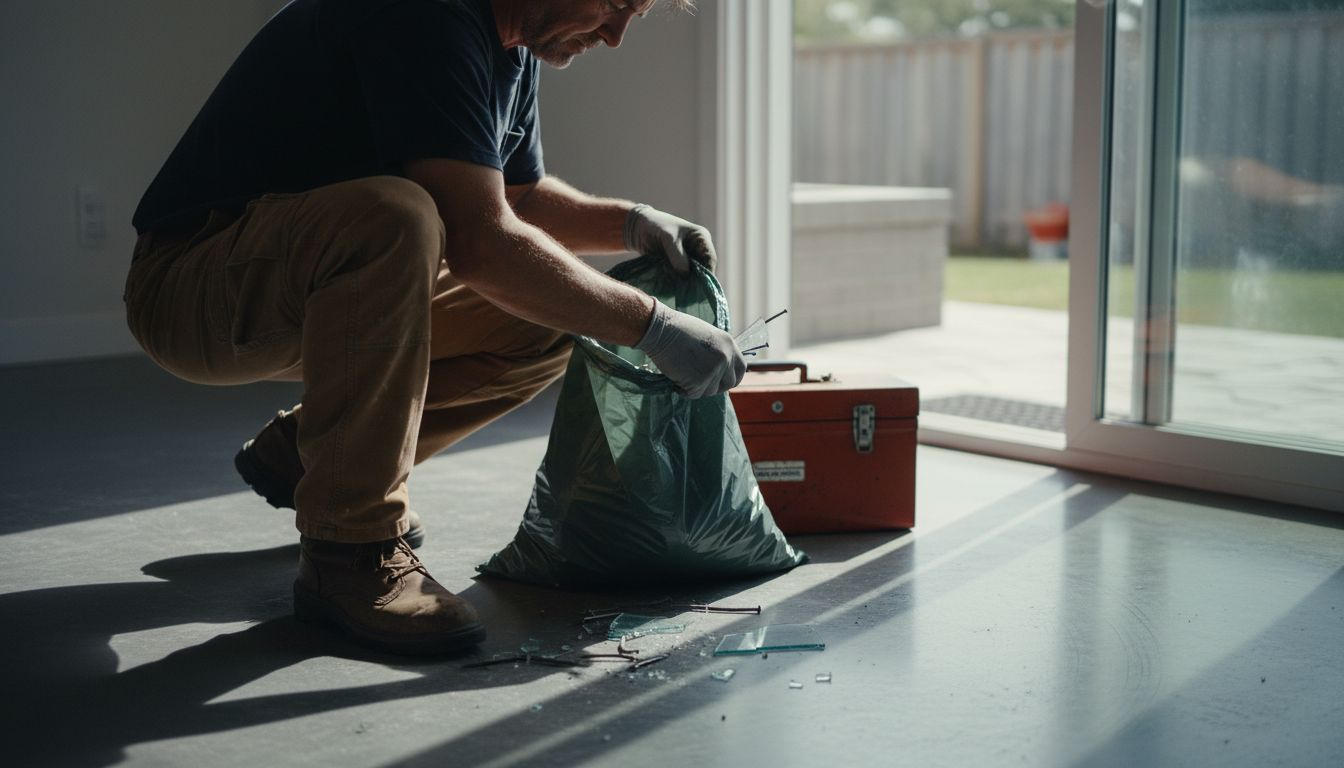
The physical dangers are not limited to obvious sharp objects. Renovation processes can create uneven flooring, loose tiles, exposed electrical wiring, and unstable structural elements that compromise safety. Temporary supports, unfinished edges, and partially secured installations can create tripping hazards, potential falls, and unexpected structural collapses. Professional cleaning teams play a crucial role in identifying and mitigating these risks, systematically inspecting every surface and removing potential danger points before declaring a space safe for occupation.
Moreover, physical hazards extend beyond immediate injury risks. Improperly managed construction debris can damage expensive flooring, furniture, and electrical systems. Small metal fragments can scratch surfaces, while dust and debris can infiltrate sensitive mechanical systems, causing long-term damage and potentially costly repairs. Professional post-renovation cleaning involves not just removing visible hazards but also conducting comprehensive assessments that protect both human safety and property infrastructure.
Pro Tip for Safety Assessment: Conduct a methodical walk-through inspection using protective footwear and gloves, carefully examining every surface and corner for potential physical hazards before allowing normal property usage.
Air Quality And VOC Removal
Indoor air quality represents a critical consideration often overlooked during post-renovation cleaning processes. Volatile organic compounds (VOCs) and microscopic particulate matter can create significant health risks that persist long after construction work has been completed, making comprehensive air quality management an essential aspect of property maintenance.
Research indicates that renovation activities can significantly elevate indoor particulate matter concentrations, particularly PM2.5 levels which pose substantial respiratory risks. These microscopic particles originate from multiple sources during renovation, including paint residues, timber treatments, adhesive chemicals, and dust generated by cutting or sanding materials. The invisible nature of these contaminants makes them particularly dangerous, as they can penetrate deep into human respiratory systems, potentially causing long-term health complications such as chronic inflammation, decreased lung function, and increased susceptibility to respiratory infections.
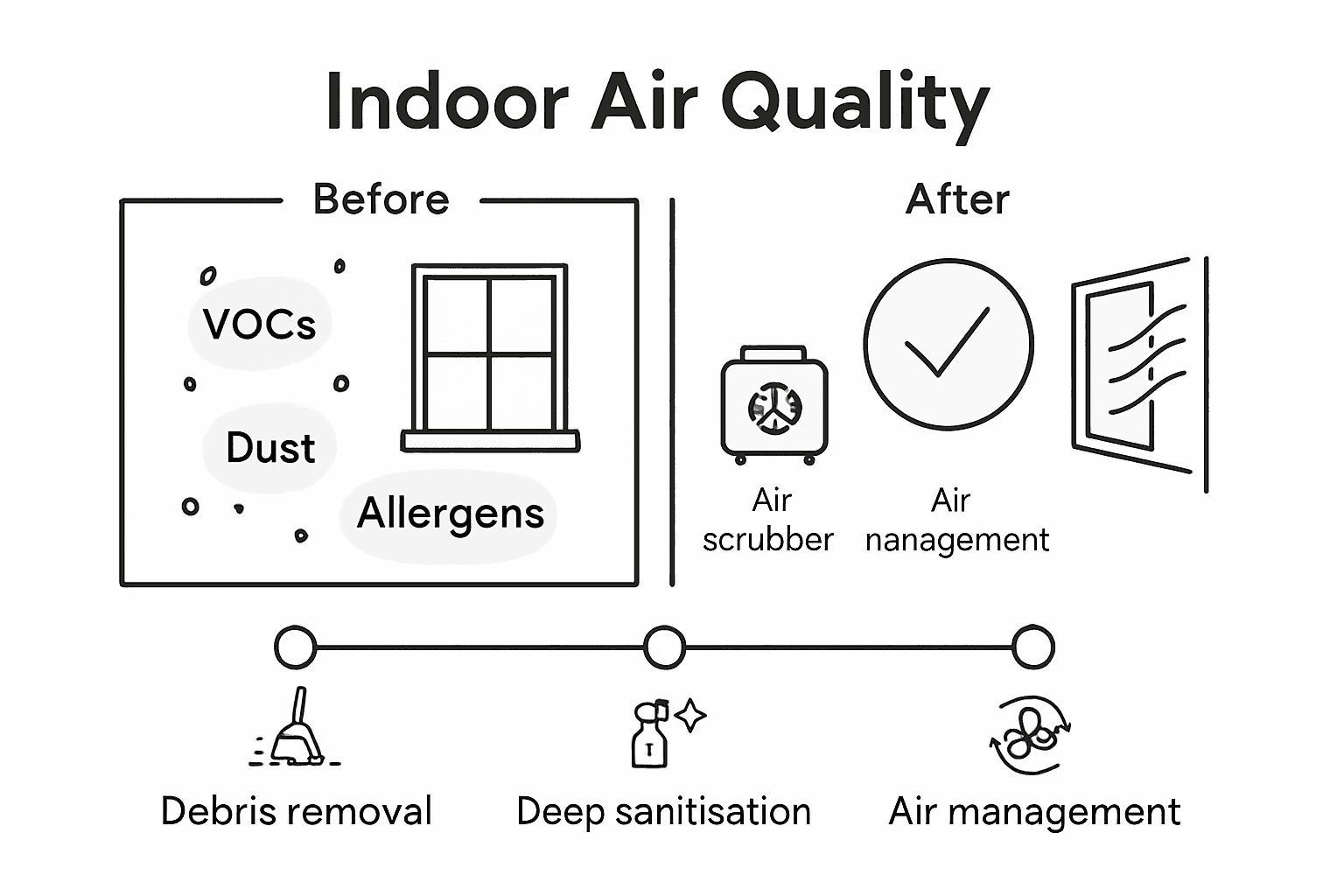
The complexity of VOC removal extends beyond simple ventilation. Different construction materials release unique chemical compounds that require specialised removal techniques. Paints emit formaldehyde and benzene, timber treatments release phenolic compounds, and adhesives can produce toluene and xylene. Professional cleaning teams employ advanced strategies such as activated carbon filtration, HEPA air purification systems, and targeted chemical neutralisation processes to effectively reduce these airborne contaminants. These methods go far beyond standard cleaning approaches, creating a comprehensive air quality management strategy that addresses both visible and invisible renovation-related pollutants.
Moreover, air quality management is not a one-time event but a systematic process. Proper post-renovation cleaning involves multiple stages of air treatment, including initial heavy ventilation, strategic air purification, surface chemical neutralisation, and ongoing monitoring. Professionals use sophisticated air quality testing equipment to measure particulate levels, chemical concentrations, and potential respiratory risks, ensuring that the cleaned environment meets stringent health and safety standards. This methodical approach transforms a potentially hazardous post-renovation space into a safe, breathable environment.
Pro Tip for Air Quality Management: Implement a staged ventilation strategy using cross-flow techniques, opening windows on opposite sides of the property to create a comprehensive air exchange that rapidly reduces airborne contaminants.
Protecting Investment And Aesthetics
Post-renovation cleaning transcends basic maintenance, representing a critical strategy for preserving property value and visual appeal. Surface integrity becomes paramount in protecting the substantial financial investment made during renovation, with professional cleaning serving as the final, crucial step in transforming construction sites into pristine living or working environments.
Why Schedule Post-Renovation Cleaning demonstrates that thorough cleaning prevents long-term damage caused by construction residues. Microscopic particles, chemical splashes, and debris can permanently compromise surface finishes if not addressed immediately. Paint splatters can etch into marble surfaces, cement dust can scratch delicate wooden flooring, and metal shavings can cause irreversible discolouration on premium surfaces. Professional cleaning teams employ specialised techniques and precisely selected cleaning agents to protect and restore each unique material surface.
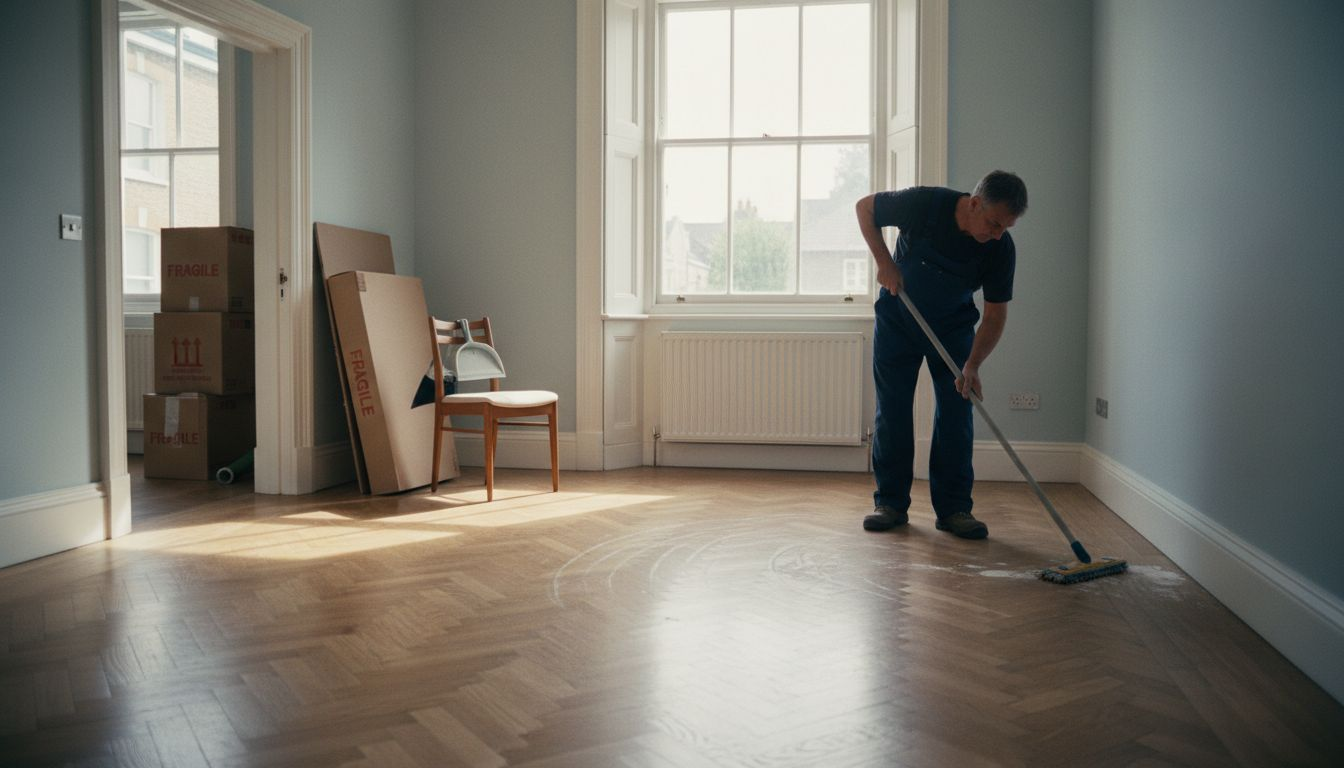
Aesthetic preservation requires more than superficial cleaning. Different renovation materials demand tailored cleaning approaches that maintain their original quality and appearance. Hardwood floors require specific pH-neutral solutions to prevent stripping natural oils, whilst granite surfaces need specialised sealants to maintain their lustre. Ceramic tiles demand grout restoration, and metallic surfaces require precise polishing techniques that remove construction residues without causing scratches or diminishing their original finish. These intricate processes protect not just the visual appeal but also the long-term durability of renovated spaces.
Financial considerations extend beyond immediate surface maintenance. Properly cleaned and maintained renovated spaces retain significantly higher market value, with potential property appreciation directly correlating to the quality of post-renovation care. Estate agents consistently report that meticulously cleaned properties command premium prices, as potential buyers or tenants perceive well-maintained spaces as more valuable and attractive. Professional cleaning represents an investment that generates returns through enhanced property presentation, extended material lifespan, and prevention of potential future repair costs.
Pro Tip for Investment Protection: Document the post-renovation cleaning process with professional photographs and detailed cleaning reports, creating a valuable record that can support property valuation and maintenance history.
Legal And Safety Compliance Requirements
Legal and safety compliance in post-renovation cleaning represents a complex landscape of regulatory obligations that extend far beyond simple surface maintenance. Regulatory standards demand comprehensive approaches to cleaning that protect both human health and property integrity, creating a framework of essential requirements for property managers, developers, and owners.
Environmental cleaning guidelines emphasise stringent infection control standards, particularly in sensitive environments like healthcare facilities, educational institutions, and commercial spaces. These regulations mandate specific cleaning protocols that address potential pathogen transmission risks, microscopic contaminant removal, and comprehensive decontamination processes. Compliance is not merely a recommendation but a legal requirement that can expose property owners to significant liability if not properly executed.
Multiple regulatory bodies provide specific guidance for post-renovation cleaning compliance. Environmental protection agencies outline detailed health and safety regulations that cover everything from hazardous material removal to air quality management. These standards require documented cleaning processes, professional-grade equipment, and systematic approaches that go beyond aesthetic considerations. Specific requirements often include detailed reporting, chemical usage documentation, waste management protocols, and comprehensive risk assessments that demonstrate a proactive approach to occupant safety.
The legal implications of non-compliance can be substantial. Property owners may face significant financial penalties, potential litigation, and insurance complications if post-renovation cleaning fails to meet established safety standards. Professional cleaning teams serve as critical partners in navigating these complex regulatory landscapes, providing expert knowledge, documentation, and systematic approaches that ensure full compliance. Their expertise transforms cleaning from a simple maintenance task into a strategic risk management process that protects both property value and human health.
The table below summarises important legal and safety compliance aspects in post-renovation cleaning:
| Compliance Area | Typical Requirements | Consequence of Non-Compliance |
|---|---|---|
| Health & safety regulations | Documented cleaning, professional standards | Financial penalties, insurance issues |
| Environmental guidelines | Proper chemical use, waste management | Risk of litigation, harm to occupants |
| Infection control standards | Approved protocols for sensitive areas | Legal liability, reputational damage |
Pro Tip for Compliance Management: Maintain comprehensive documentation of all post-renovation cleaning processes, including detailed cleaning reports, chemical usage logs, and professional certification records to demonstrate regulatory compliance.
Ensure Your Property Is Truly Safe With Expert Post-Renovation Cleaning
Post-renovation dust, hazardous debris and lingering VOCs present serious risks to health and property if left unaddressed. The article highlights critical challenges such as microscopic construction dust causing respiratory illness, physical hazards like nails and glass shards and dangerous VOC concentrations compromising air quality. Property managers and landlords must prioritise thorough post-renovation cleaning to protect occupants, preserve investment and comply with legal safety standards.
At HARC Solutions, we understand these complexities and offer specialised after-build and renovation cleaning services tailored to meet your exact needs. Our trained and insured professionals use advanced HEPA filtration, chemical neutralisation and detailed inspection protocols to fully remove contaminants and physical hazards. We deliver peace of mind with high-quality, client-focused cleaning for landlords, estate agents and developers alike.
Discover the difference our trusted team can make in restoring your renovated spaces to safe, pristine condition.
Experience expert care for your post-renovation cleaning needs
Get started today with HARC Solutions post-renovation cleaning. Protect health, comply with regulations and safeguard your property investment by booking your comprehensive service now. Visit our website to request a free quote and benefit from our satisfaction guarantee.
Frequently Asked Questions
What is involved in post-renovation cleaning?
Post-renovation cleaning includes dust and debris removal, deep sanitisation, and quality checks. Professionals use industrial-grade equipment to eliminate construction residue, clean surfaces, and ensure a safe and habitable environment.
Why is post-renovation cleaning important for health and safety?
Post-renovation cleaning is crucial for health and safety as it removes hazardous dust, debris, and volatile organic compounds (VOCs) that can cause respiratory issues and long-term health complications. Thorough cleaning prevents these particles from circulating in the air and settling on surfaces.
What are the potential risks of neglecting post-renovation cleaning?
Neglecting post-renovation cleaning can lead to respiratory illnesses, allergies, and injuries from sharp debris. Additionally, ignored contaminants can compromise air quality and potentially damage surfaces, resulting in costly repairs and health risks for occupants.
How does professional cleaning help with compliance and safety regulations?
Professional cleaning ensures adherence to health and safety regulations by implementing proper cleaning protocols, documenting processes, and using appropriate materials. This helps property owners avoid legal liabilities and ensures a safe environment for occupants.