Even a spotless renovation can fall short if construction dust and debris remain, a detail that more than 80 percent of british tenants notice during viewings. For property managers and landlords in London, achieving a truly tenant-ready space takes more than routine tidying. This overview reveals what sets post-renovation cleaning apart and why investing in specialist cleaning services is crucial for property value, health, and british regulatory compliance.
Table of Contents
- Post-Renovation Cleaning – What It Entails
- Common Risks From Renovation Dust And Debris
- Meeting Health And Safety Regulations In The UK
- Protecting New Surfaces And Long-Term Value
- Tenant Expectations And Property Marketability
Post-Renovation Cleaning: Key Takeaways
| Point | Details |
|---|---|
| Comprehensive Process | Post-renovation cleaning is essential for transforming spaces from construction zones to ready-to-occupy environments, focusing on detailed debris removal and dust elimination. |
| Health and Safety Focus | Proper cleaning mitigates health risks associated with renovation dust, ensuring a safe environment for future occupants and complying with health regulations. |
| Material-Specific Care | Different surfaces require tailored cleaning methods and protective treatments to maintain their integrity and prolong their lifespan post-renovation. |
| Enhancing Marketability | A pristine, well-maintained property attracts quality tenants and sustains higher rental values, making professional cleaning an investment in long-term property success. |
Post-Renovation Cleaning – What It Entails
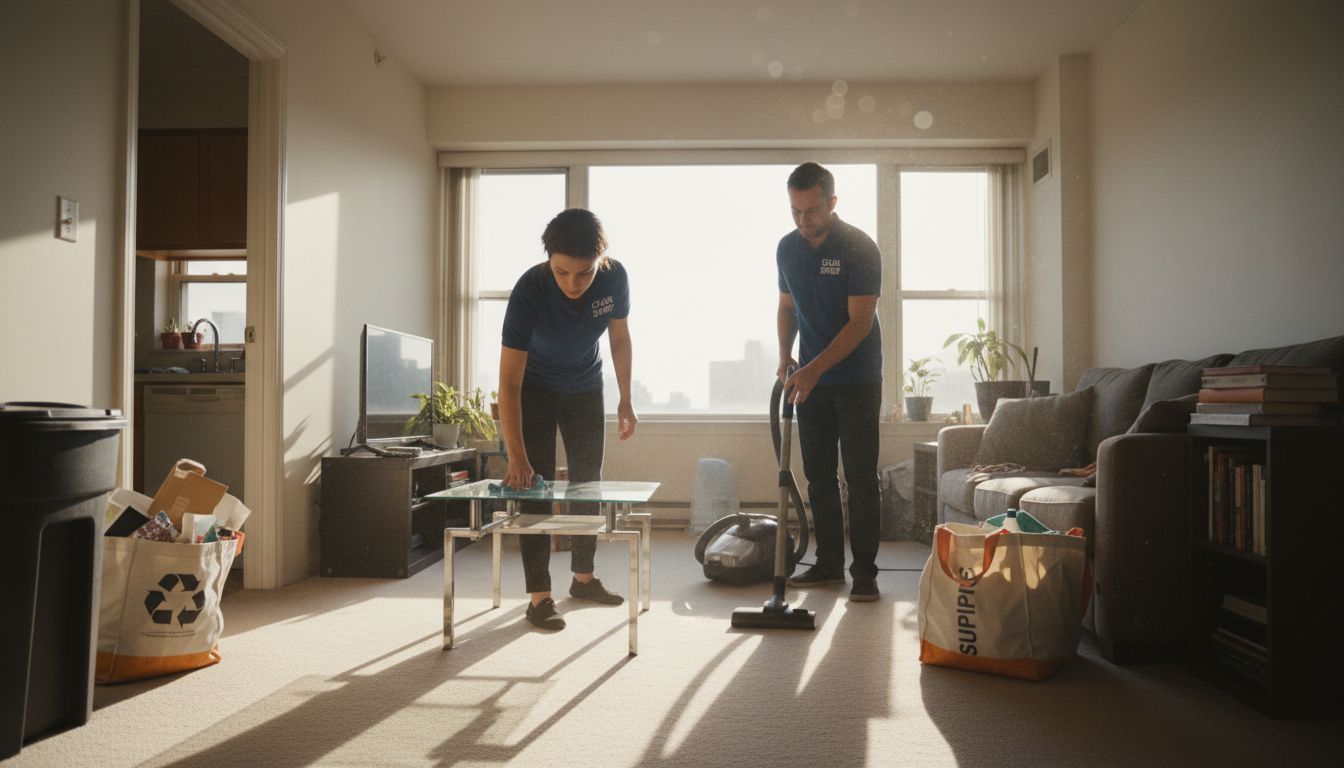
Post-renovation cleaning is a comprehensive process that goes far beyond standard cleaning approaches. It requires a strategic, thorough method designed to transform newly renovated spaces from construction zones into pristine, market-ready environments. Professional cleaning after renovation ensures every surface, corner, and hidden area receives meticulous attention, removing construction debris, dust, and potential hazardous materials.
The process involves several critical stages, each targeting specific challenges inherent to post-renovation spaces. Comprehensive cleaning standards demand a systematic approach that includes:
- Debris Removal: Collecting and disposing of construction materials, packaging, and waste
- Dust Elimination: Thorough removal of fine construction dust from surfaces, air vents, and hard-to-reach areas
- Surface Sanitisation: Deep cleaning and sanitising all newly installed or renovated surfaces
- Protective Treatment: Applying protective treatments to new surfaces like tiles, wood, or stone
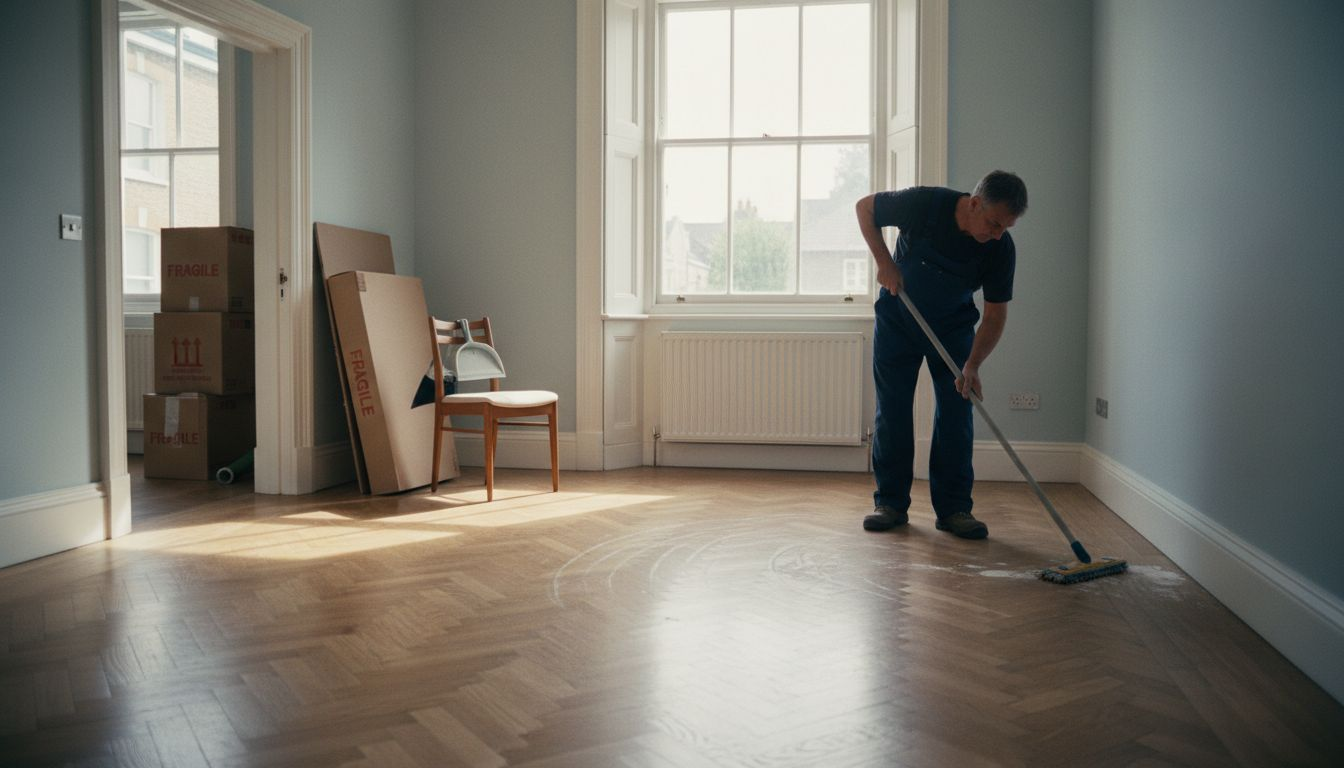
Professional post-renovation cleaning also involves specialised techniques tailored to different materials and finishes. Hardwood floors require different cleaning methods compared to newly installed tiles, while delicate surfaces like marble or granite demand specific cleaning agents to prevent damage. Trained cleaning professionals understand these nuanced requirements, ensuring each surface receives appropriate treatment without compromising its integrity or appearance.
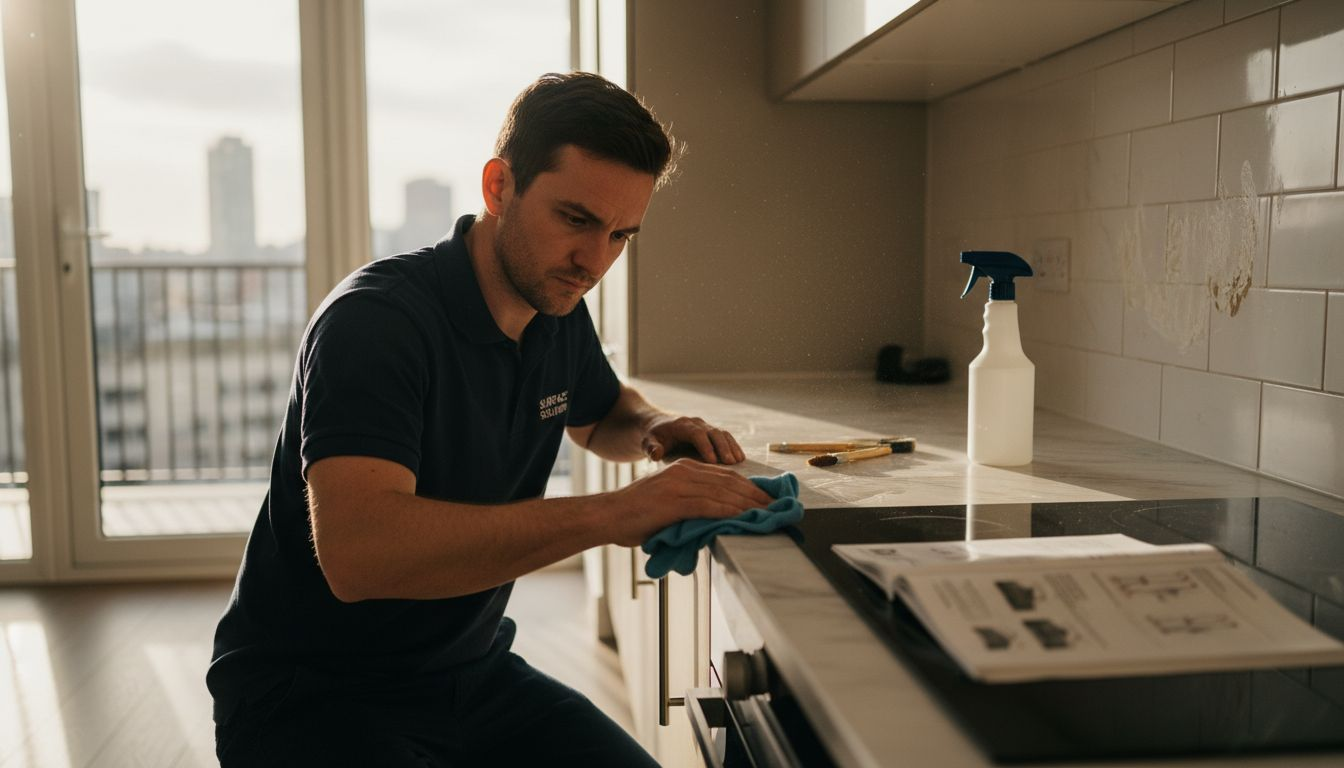
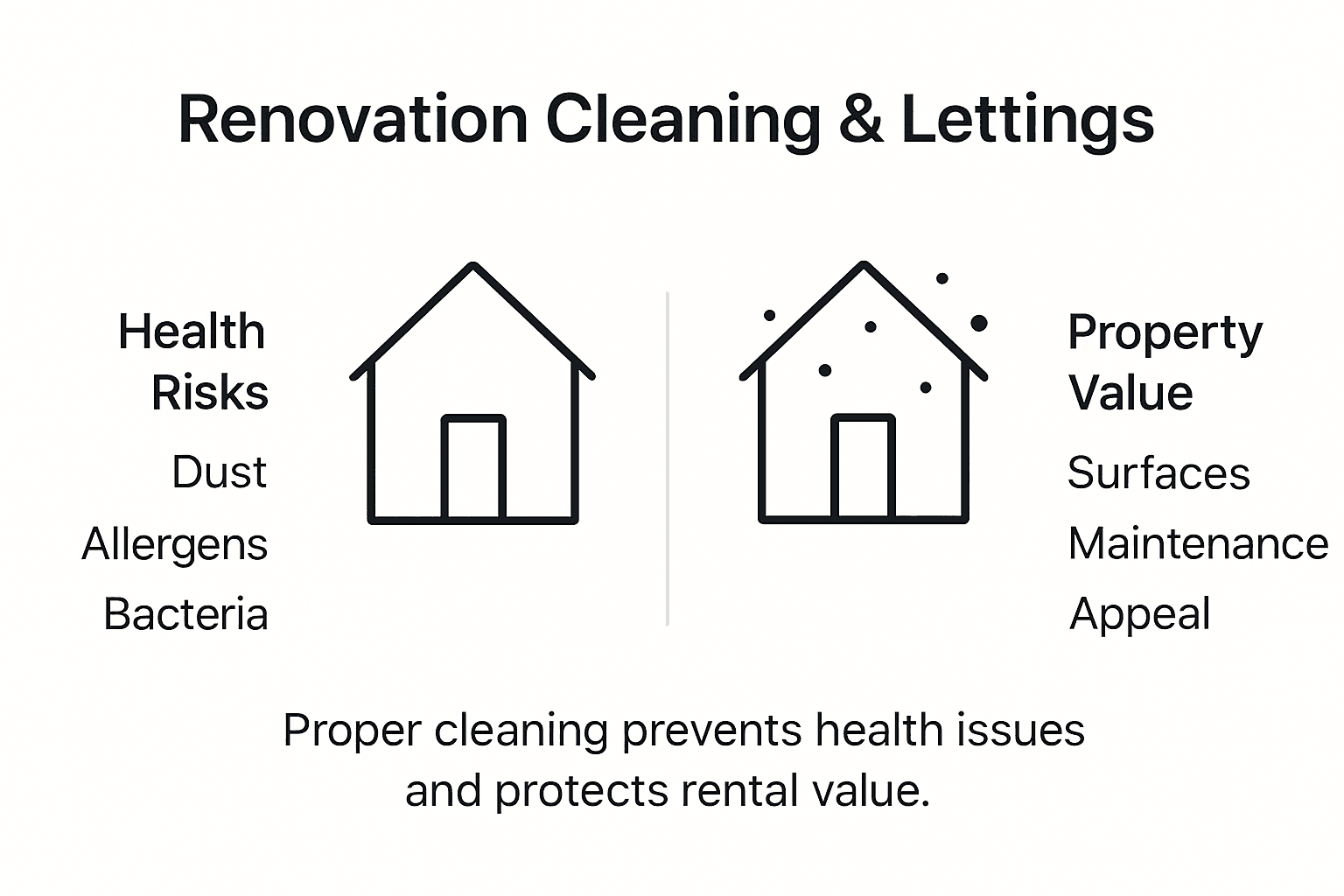
Beyond aesthetic considerations, post-renovation cleaning plays a crucial role in health and safety. Construction processes generate significant amounts of potentially harmful dust, chemicals, and particulate matter that can pose respiratory risks if not properly addressed. Comprehensive cleaning eliminates these potential health hazards, creating a safe environment for future occupants.
Pro Tip for Property Managers: Schedule professional post-renovation cleaning immediately after construction completion, ideally before tenant move-in, to ensure a seamless, safe, and immaculate property transition.
Here’s a summary of how professional post-renovation cleaning benefits different property stakeholders:
| Stakeholder | Primary Concern | Cleaning Benefit | Long-Term Impact |
|---|---|---|---|
| Property Managers | Regulatory Compliance | Demonstrates due diligence | Avoids legal liabilities |
| Tenants | Health and Comfort | Safe, allergen-free environment | Higher satisfaction, retention |
| Owners | Asset Protection | Preserves renovation quality | Maintains property value |
| Cleaning Personnel | Safety at Work | Reduces exposure to contaminants | Safer, healthier workspaces |
Common Risks From Renovation Dust and Debris
Renovation dust poses significant health and safety challenges that extend far beyond mere surface-level cleanliness. Construction dust exposure risks encompass a wide range of potential health hazards that can impact both immediate occupants and long-term property users. The microscopic particles generated during renovation work contain complex mixtures of potentially harmful substances that can penetrate deep into respiratory systems.
The primary health risks associated with renovation dust are profound and multifaceted. These include respiratory complications such as:
- Chronic lung inflammation
- Increased risk of developing asthma
- Potential silicosis development
- Reduced overall lung function
- Potential triggering of allergic reactions
Professional research indicates that construction dust can induce acute and chronic health problems, ranging from minor irritations to severe long-term medical conditions. Wood fibres, silica particles, and other microscopic debris can cause persistent respiratory issues, skin irritations, and potentially compromise immune responses. These risks are particularly pronounced in residential lettings, where tenants might be unaware of potential environmental health challenges.
Beyond immediate health concerns, renovation dust can also create significant property management challenges. Accumulated dust can damage newly installed surfaces, infiltrate electrical systems, compromise air quality, and potentially void warranties on recent renovations. The fine particulate matter can settle into carpets, ventilation systems, and hidden crevices, creating ongoing maintenance and potential repair challenges for property managers.
Pro Tip for Property Safety: Implement comprehensive dust containment and professional cleaning protocols during and immediately after renovation to minimise health risks and protect property investment.
Meeting Health and Safety Regulations in the UK
Navigating the complex landscape of health and safety regulations is crucial for property managers and cleaning professionals in the United Kingdom. UK health and safety regulations for cleaning are comprehensive and strictly enforced, designed to protect both workers and occupants from potential hazards associated with post-renovation environments.
The key legislative frameworks governing cleaning standards include:
- Health and Safety at Work Act 1974
- Control of Substances Hazardous to Health (COSHH) Regulations 2002
- Workplace (Health, Safety and Welfare) Regulations 1992
These regulations mandate several critical requirements for post-renovation cleaning, including:
- Comprehensive risk assessments before commencing cleaning work
- Provision of appropriate personal protective equipment (PPE)
- Specific training for cleaning personnel
- Proper handling and disposal of hazardous materials
- Detailed documentation of cleaning procedures
National health and safety standards for cleaning emphasise the importance of ongoing monitoring and adherence to strict protocols. This means property managers must not only complete the initial cleaning but also maintain comprehensive records demonstrating compliance with regulatory requirements. The regulations are particularly stringent when it comes to managing potentially harmful substances generated during renovation work.
Compliance extends beyond mere cleaning procedures. It encompasses a holistic approach to managing environmental risks, including dust control, chemical management, and ensuring the overall safety of the space for future occupants. Failure to meet these standards can result in significant legal and financial consequences, making professional, thorough cleaning an essential investment for property managers.
Pro Tip for Regulatory Compliance: Maintain detailed documentation of all cleaning procedures, including risk assessments, cleaning methods, and personnel training, to demonstrate full compliance with UK health and safety regulations.
Compare key UK health and safety regulations relevant to post-renovation cleaning:
| Regulation | Focus Area | Typical Requirement | Enforcement Level |
|---|---|---|---|
| Health and Safety at Work Act 1974 | Worker and occupant safety | Risk assessments, safe practices | High |
| COSHH Regulations 2002 | Hazardous substances | Controlled chemical handling | Strict |
| Workplace (Health, Safety and Welfare) | General welfare standards | Provision and use of PPE | Significant |
Protecting New Surfaces and Long-Term Value
Renovation investments represent significant financial commitments that require strategic maintenance to preserve their value and aesthetic appeal. Surface protection strategies are critical for ensuring that newly renovated spaces maintain their pristine condition and continue to deliver maximum return on investment.
Key considerations for protecting new surfaces include:
- Material-Specific Care: Understanding unique maintenance requirements for different surfaces
- Timely Interventions: Addressing potential issues before they become significant problems
- Protective Treatments: Applying appropriate sealants and protective coatings
- Regular Inspections: Monitoring surface conditions and addressing wear patterns
- Professional Cleaning: Using specialised techniques for different material types
Comprehensive surface maintenance involves more than routine cleaning. It requires a nuanced approach that considers the specific vulnerabilities of each surface type. Different materials—from hardwood floors and natural stone to ceramic tiles and painted surfaces—demand tailored protection strategies that prevent early degradation and maintain their structural integrity.
The economic rationale for proactive surface protection is compelling. By investing in consistent maintenance, property managers can significantly extend the useful life of renovation materials, reduce unexpected repair costs, and maintain the property’s market value. This approach transforms surface maintenance from a reactive expense into a strategic asset preservation mechanism, directly impacting the long-term financial performance of the property.
Pro Tip for Surface Preservation: Develop a comprehensive, material-specific maintenance schedule that includes regular professional cleaning, periodic protective treatments, and systematic inspections to maximise the longevity of your renovation investments.
Tenant Expectations and Property Marketability
In today’s competitive rental market, tenant perceptions of property quality have become increasingly sophisticated and demanding. Modern tenants view their living space not merely as a shelter, but as a comprehensive environment that directly impacts their daily comfort, health, and overall quality of life. Post-renovation properties are particularly scrutinised, with tenants expecting pristine conditions that reflect the investment made in upgrading the space.
Key expectations for post-renovation properties typically include:
- Immaculate Cleanliness: Zero traces of construction dust or debris
- Air Quality: Fresh, clean environment free from renovation-related pollutants
- Surface Integrity: Perfectly finished and well-maintained surfaces
- Functional Improvements: Noticeable upgrades in property features
- Transparent Communication: Clear information about renovation work
Property marketability research demonstrates that the quality of post-renovation management directly influences a property’s attractiveness to potential tenants. Well-maintained, recently renovated properties achieve significantly higher occupancy rates and can command premium rental prices. Prospective tenants view cleanliness and surface condition as critical assessment criteria, making professional post-renovation cleaning an investment that pays substantial returns.
Beyond immediate aesthetic appeal, thorough post-renovation cleaning signals to tenants that the property is professionally managed and cared for. This perception builds trust, increases the likelihood of longer tenancy agreements, and reduces potential disputes about property condition. By prioritising comprehensive cleaning and maintenance, property managers can transform a simple renovation into a compelling value proposition that attracts high-quality, long-term tenants.
Pro Tip for Tenant Attraction: Conduct a professional, comprehensive cleaning immediately after renovation and document the process with before-and-after photographs to showcase the property’s transformation and build tenant confidence.
Ensure Your Property Shines After Renovation With Expert Cleaning
Post-renovation spaces present unique challenges like stubborn dust, debris, and delicate surface care. These issues not only affect appearance but also tenant health and long-term property value. If you are a landlord, property manager, or developer aiming to provide a safe, immaculate environment that meets UK health and safety standards, it is crucial to choose specialised cleaning solutions tailored to post-renovation needs. Key concerns such as comprehensive dust elimination, surface sanitisation, and protective treatments require professional expertise and attention to detail.
Discover how HARC Solutions can help you protect your investment with reliable, fully insured after-build or renovation cleaning services. Benefit from a trusted local team committed to high-quality results and exceptional customer care. Act now to ensure your property is move-in ready and exceeds tenant expectations. Start your journey to a pristine property today by visiting HARC Solutions and exploring our post-renovation cleaning solutions. Don’t leave your renovation’s success to chance – book your service now for peace of mind and lasting value.
Frequently Asked Questions
What is post-renovation cleaning?
Post-renovation cleaning is a thorough cleaning process that removes construction debris, dust, and hazardous materials after a renovation. It ensures that newly renovated spaces are safe and ready for occupancy.
Why is professional post-renovation cleaning essential?
Professional post-renovation cleaning is essential because it ensures that every surface is meticulously cleaned and sanitised. This process not only enhances the aesthetic appeal of the property but also eliminates health risks associated with construction dust and debris.
What health risks are associated with renovation dust?
Renovation dust can pose significant health risks, including respiratory issues such as chronic lung inflammation, asthma, and reduced lung function. It can also contain harmful substances that may lead to long-term health complications if not properly addressed.
How can post-renovation cleaning impact tenant satisfaction?
Post-renovation cleaning can significantly enhance tenant satisfaction by providing a clean, allergen-free environment. A well-maintained property reflects professionalism, increases trust, and can lead to longer tenancy agreements.